A few feet can be worth millions on the Makena shoreline. If you are buying or selling here, small differences in legal shoreline lines, view angles, beach access, and insurance can shift value more than finishes ever will. You want clarity on what really drives top-dollar outcomes, and how to navigate Maui’s new coastal rules with confidence. This guide breaks down the key value drivers, your due diligence steps, and practical ways to position your property for success. Let’s dive in.
Makena’s ultra‑prime setting
Makena sits at the southern end of Wailea near Makena State Park, home to Big Beach and Little Beach. The coastline is known for wide horizons and multi‑island views, a combination the market consistently rewards. If you are new to the area, get familiar with the coastal context and public beach access at Makena State Park.
Inventory at the trophy level is limited, and the buyer pool is specialized. That makes precise positioning, documentation, and global exposure central to results. In this segment, where headlines are made, the right story supported by ironclad facts often commands a premium.
Shoreline position and access
Shoreline status is the single most important value driver for Makena oceanfront homes. It shapes what you can build, rebuild, or protect, and it defines the privacy and access experience for daily living.
Know the certified shoreline
Hawaii sets the legal shoreline at the “upper reaches of the wash of the waves,” using vegetation and debris indicators rather than a fixed line. That certified shoreline determines public access and setback measurements. Treat it as a legal datum, not just a visual edge. You can review the process and terminology through the state’s coastal lands guidance at the DLNR Office of Conservation and Coastal Lands.
Understand Maui’s new setback rules
Maui adopted updated shoreline rules that tie many setbacks to a modeled Erosion Hazard Line based on a 3.2‑foot sea level rise scenario. Where the EHL is not mapped, the County applies default setback logic using lot‑depth formulas or fixed minimums. These rules affect where structures can sit, what renovations trigger shoreline approvals, and whether shoreline armoring can be permitted or maintained. Study the County’s summary and mapping tools on the Maui Island Shoreline Rule Update.
Seller disclosure requirements
Hawaii law now requires sellers to disclose sea level rise exposure and to disclose erosion control structures, permitted or not. Expect buyers and lenders to scrutinize these items during escrow. You can read the statutory language in the state’s bill record for HB1091.
How shoreline status impacts price
- Direct, legally secure beach access and true beachfront holdings carry the highest premium.
- Oceanfront parcels across public beach or on bluffs can trade at discounts due to setback uncertainty, future erosion exposure, and potential limits on armoring.
- Clear, current documentation of shoreline certification, setbacks, and any protective structures reduces risk and supports higher pricing.
Views and orientation
In Makena, view quality is not just “ocean” or “no ocean.” Micro‑geometry matters.
Multi‑island and Molokini views
Listings often highlight Molokini, Kahoʻolawe, and sometimes Lanaʻi or Molokaʻi in the frame. Recognizable islands plus a wide horizon create emotional pull and resale strength. For a quick primer on why Molokini sightlines are prized, see this overview of best Molokini viewpoints.
Sunset exposure and protected corridors
West‑facing sunset orientation, broad horizontal angles from primary rooms, and the absence of intervening structures each add to perceived value. Small shifts in angle or a neighbor’s future build can change the experience. Appraisers often document view corridors from key rooms, a best practice you should follow when marketing. For background on how appraisers weigh location and view influences, see this summary of valuation principles in the Principles manual.
Lot depth, frontage, and access
Lot shape and topography influence both lifestyle and permitting.
- Buildable envelope: Under Maui’s updated rules, mapped EHL and default lot‑depth formulas can shrink or expand where you can build. Two parcels with similar seaward edges may have very different allowable footprints.
- Frontage and path: Linear ocean frontage and any private path or steps to sand are highly liquid negotiation points. Elevated cliff parcels can command premiums for privacy and drama, though they calibrate differently without direct sand access.
- Topography: Gentle slopes that allow single‑level indoor‑outdoor flow are broadly appealing. Steep or constrained terrain can raise construction complexity and future maintenance.
Architecture and coastal resilience
At the ultra‑high end, design pedigree and coastal durability go hand in hand.
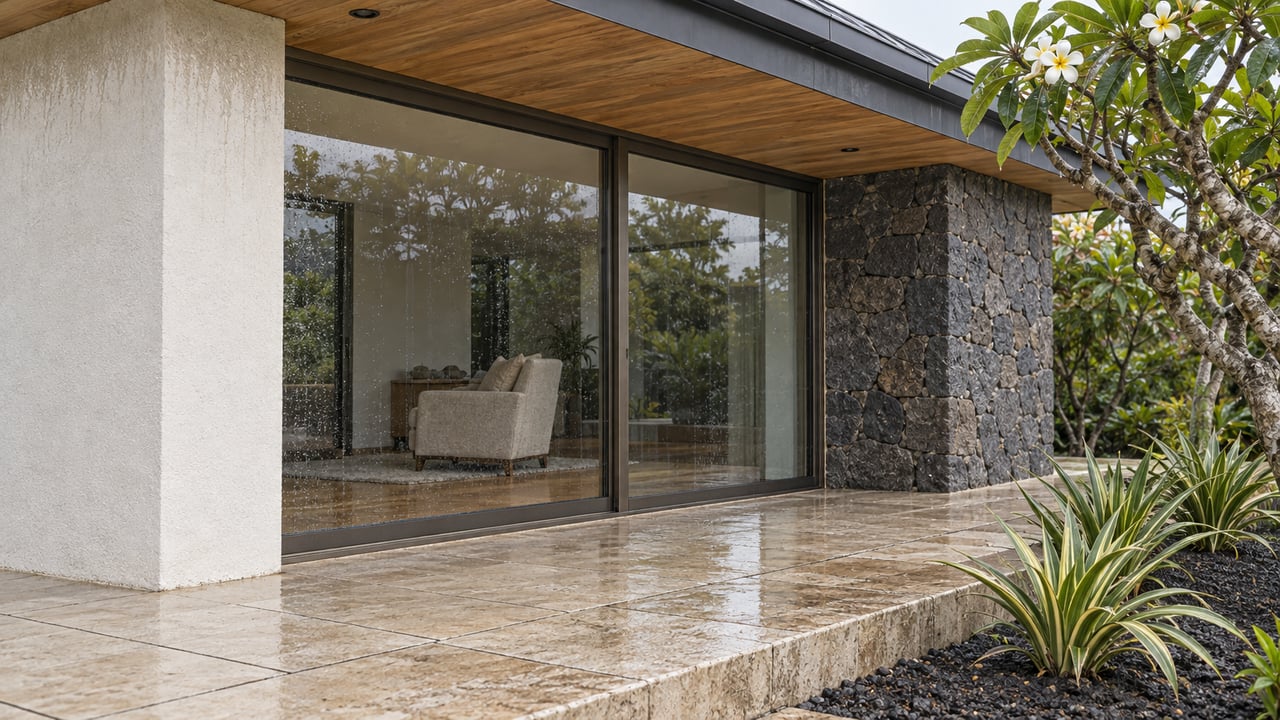
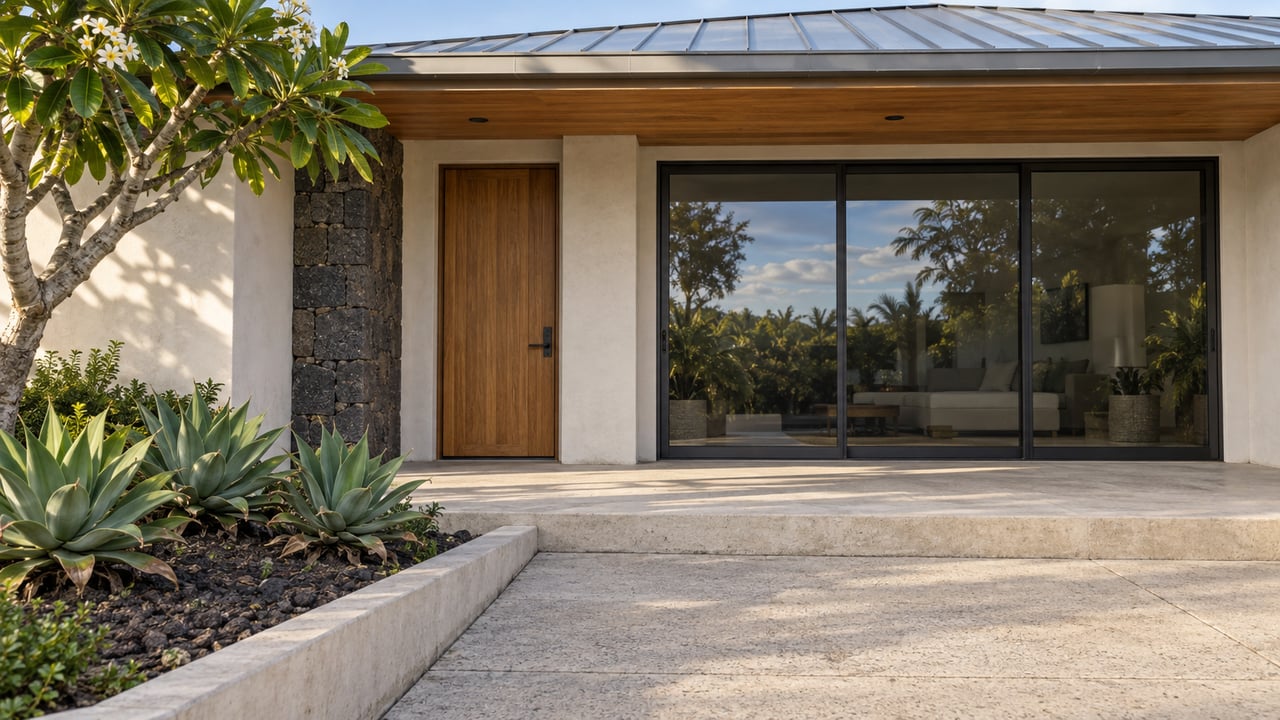
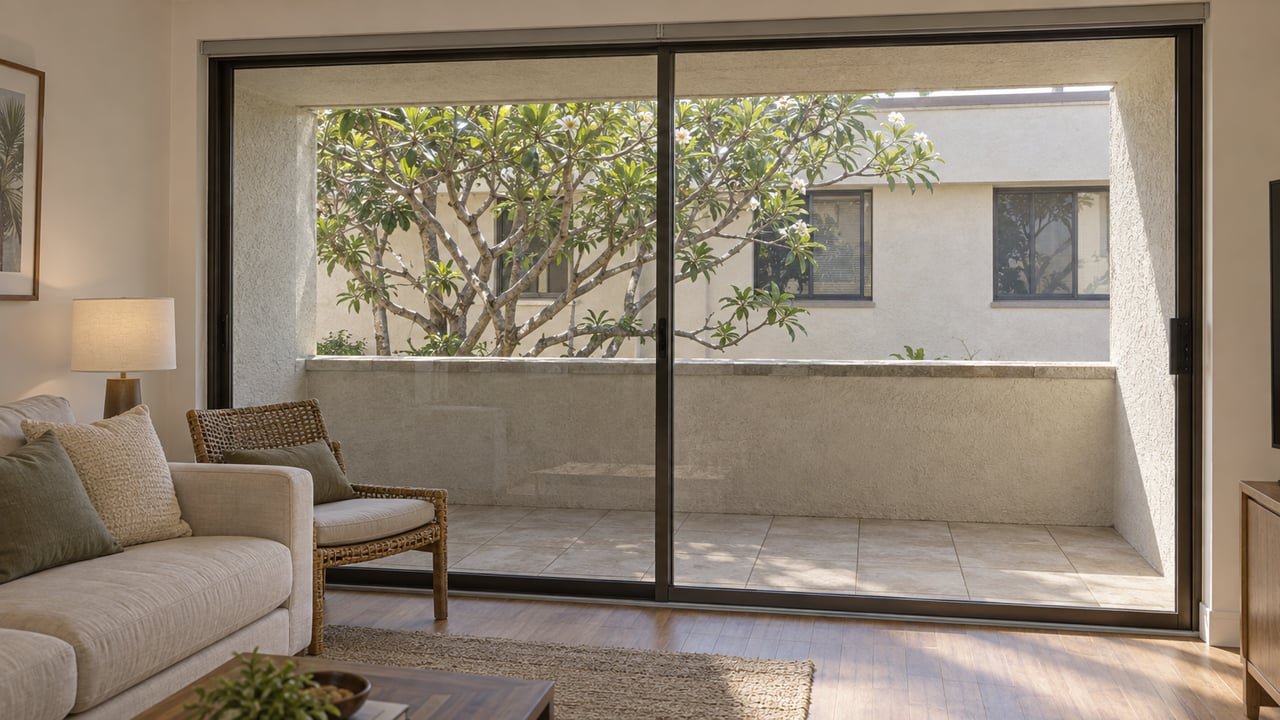
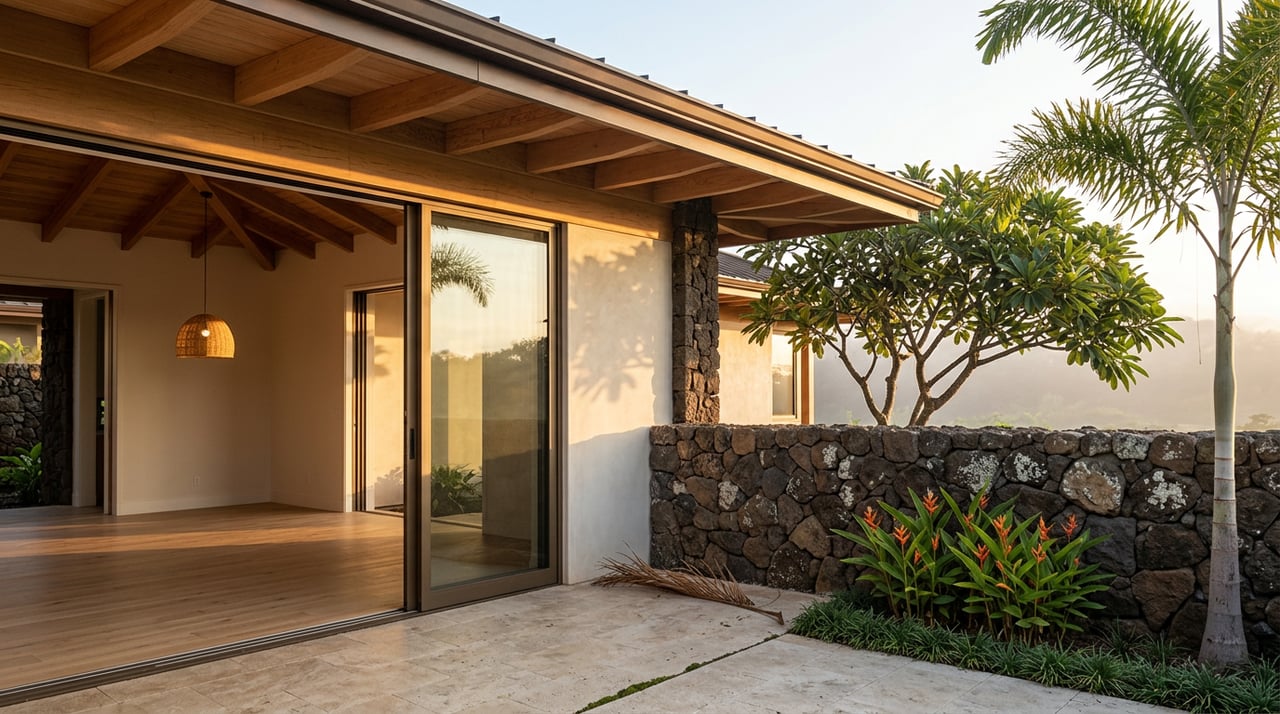
- Durable coastal construction: Concrete or CMU cores, impact‑rated glazing, stainless or coated hardware, and corrosion‑resistant systems signal longevity and lower long‑term risk. Covered lanais, large sliders, and indoor‑outdoor circulation that frame the view add livability and value.
- Documented permits and history: Clean SMA records, shoreline approvals, and a clear building permit trail are premium features because they reduce uncertainty for both buyers and lenders. Learn about the permitting framework in the County’s Special Management Area Rules.
- Thoughtful protection: Where shoreline protection exists, legal permits and engineering reports matter. Hawaii policy discourages new hardening, so unpermitted armoring can be a cost and risk. Review guidance at the DLNR coastal lands page.
Resort proximity and daily convenience
Makena’s appeal blends seclusion with quick access to Wailea’s five‑star services, golf, dining, and club offerings. Proximity to flagship resorts like the Four Seasons Resort Maui at Wailea can be part of the lifestyle story, especially for off‑island owners who value concierge‑level services, wellness, and restaurants within minutes. Private drives, gated entries, and practical travel times to Kahului Airport also factor into utility for frequent visitors.
Liquidity, taxes, and insurance
High‑value oceanfront properties trade in a small, global buyer pool. That pool rewards complete files and insurable, financeable assets.
- Market rhythm: Sales above eight figures can be lumpy through the year, but Wailea–Makena continues to anchor South Maui’s ultra‑luxury activity. Clear title, permits, and coastal documentation help your property compete when that buyer is in market.
- Operating costs: Property taxes, HOA fees where applicable, and ongoing coastal maintenance should be underwritten in advance. If short‑term rental use is contemplated, confirm classification and any zoning limits with County and condominium rules before you rely on that income.
- Insurance: Premiums and carrier availability are evolving statewide. Obtain replacement‑cost quotes for property, wind, and flood early in due diligence. For context on the state policy environment, see this briefing on insurance in Hawaii. Check your FEMA flood zone and request an elevation certificate through the FEMA Flood Map Service Center, and screen coastal exposure in the NOAA Sea Level Rise Viewer.
A focused due‑diligence checklist
Use this checklist to reduce surprises and support confident pricing.
- Certified shoreline and setback map
- Retrieve the certified shoreline survey if available, and confirm the Erosion Hazard Line or mapped setback for the parcel. Start with the County’s Shoreline Rule Update.
- Statutory seller disclosures
- Require disclosures of sea level rise exposure and any erosion control structures, permitted or not. Review the law at the HB1091 bill page.
- Sea level rise and coastal hazards
- Screen the parcel in the NOAA Sea Level Rise Viewer and pair with County EHL maps or reports from qualified coastal engineers.
- FEMA flood zone and elevation
- Pull the FIRM designation through the FEMA Flood Map Service Center and obtain an elevation certificate if possible.
- SMA, shoreline, and building permits
- Compile SMA approvals, shoreline setback approvals, building permits, and any notices of violation. Review County process in the SMA Rules.
- Cultural and archaeological review
- Confirm any required Archaeological Inventory Survey or State Historic Preservation Division actions, especially for ground‑disturbing work.
- Seawalls and revetments
- If protection exists, gather permits and engineering reports, and verify compliance with current policy at the DLNR coastal lands page.
- Insurance and lender readiness
- Request written quotes for property, wind, and flood coverage, and discuss lender requirements tied to BFE and elevation.
- Utilities and wastewater
- Verify meters, water source, septic or sewer status, and any constraints that could impact additions or rebuilds.
- Title, easements, and access
- Confirm any recorded lateral or perpendicular public access, easements, and covenants that affect privacy and use.
Pricing and negotiation insights
Makena values generally stack as follows: true beachfront with private access at the top, then oceanfront on bluff or rocky edge, then near‑ocean or second row with ocean views. Because legal beachfront is scarce, premiums between tiers can be significant, and they are highly specific to view quality, access, and documented shoreline conditions.
Appraisers typically blend approaches for unique estates. Sales comparison is primary when local comps exist, the cost approach helps as a reality check for custom builds, and the income approach is relevant only with verified rental histories. For an overview of how professionals weigh these methods, see the Principles manual.
Negotiation levers that often move price include: the exact setback position, status of any shoreline protection, recent insurance quotes, and clarity of SMA and cultural clearances. Sellers who present a complete, well‑organized file reduce buyer risk and often secure stronger terms. Buyers who surface unresolved shoreline or insurance issues early can price uncertainty appropriately.
The bottom line
If you focus on five things, you will be ahead of most of the market: the certified shoreline and EHL setback, the quality and legal security of beach access, the strength of view corridors, a clean permitting and cultural history, and real‑world insurability and holding costs. In Makena, these are decisive.
If you are weighing a purchase or plan to bring a property to market, let’s build a property‑specific plan, assemble the right documents, and position your asset with precision. For hands‑on guidance, local vendor coordination, and national‑level exposure, reach out to Steve Landin.
FAQs
What makes Makena oceanfront more valuable than nearby areas?
- Scarcity of true beachfront parcels, wide multi‑island views, and quick access to Wailea resort amenities combine to create a premium compared to many other Maui coastlines.
How do Maui’s new shoreline rules affect remodels in Makena?
- Updated setbacks tied to the Erosion Hazard Line can change where additions are allowed and what approvals you need, so verify your lot’s mapped setback before planning a project.
Why is a certified shoreline survey important to buyers?
- It sets the legal boundary used for public access and setbacks, which impacts buildable area, future resilience planning, and long‑term value.
How can I check flood risk for a Makena property?
- Start with FEMA’s Flood Map Service Center for zones and BFEs, then obtain an elevation certificate to confirm how the dwelling sits relative to flood benchmarks.
Do multi‑island and Molokini views really change price?
- Yes. Recognizable island sightlines and sunset orientation are emotional and rare features that expand the buyer pool and support stronger resale outcomes.
What insurance steps should I take before making an offer?
- Request written property, wind, and flood quotes, confirm carrier availability, and align with lender requirements early to avoid surprises during escrow.