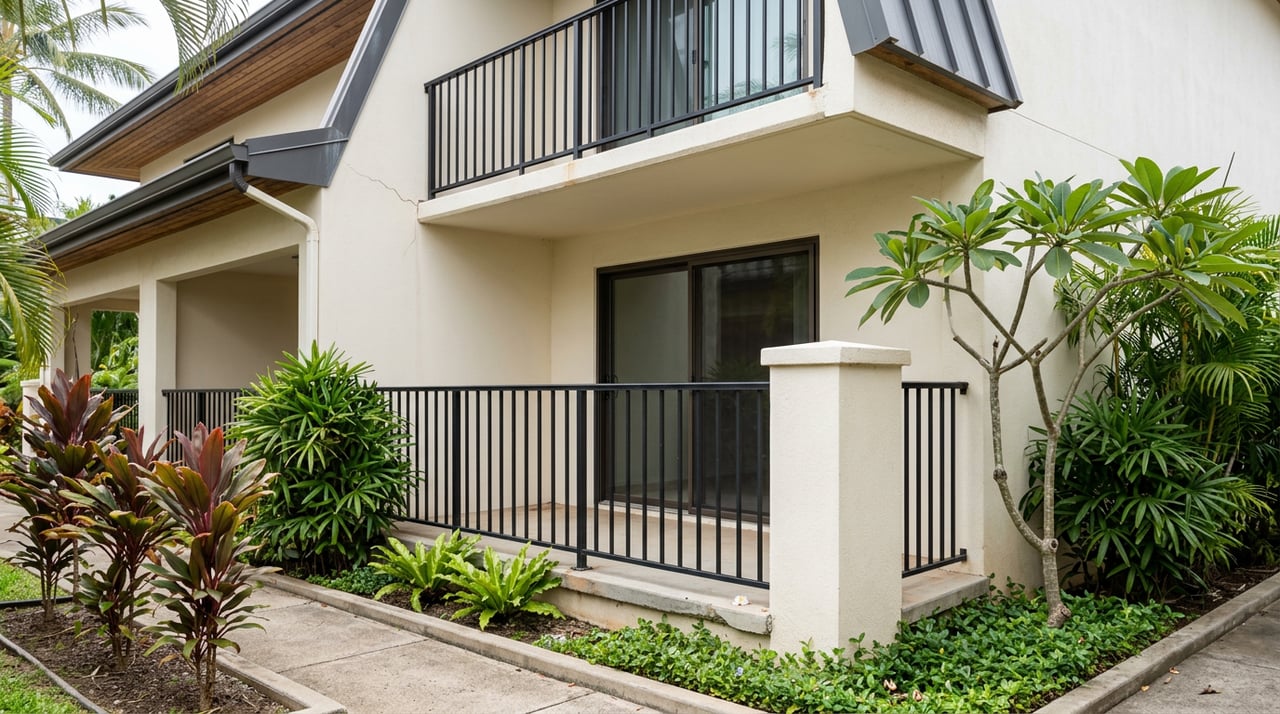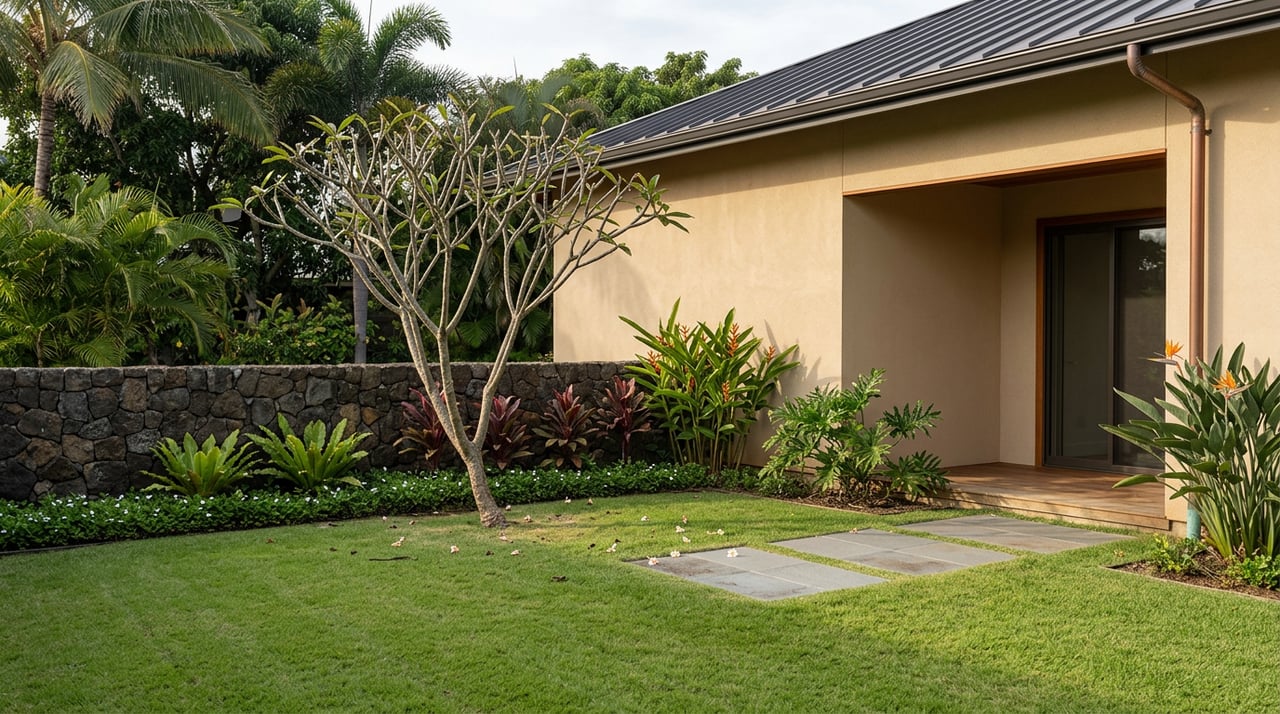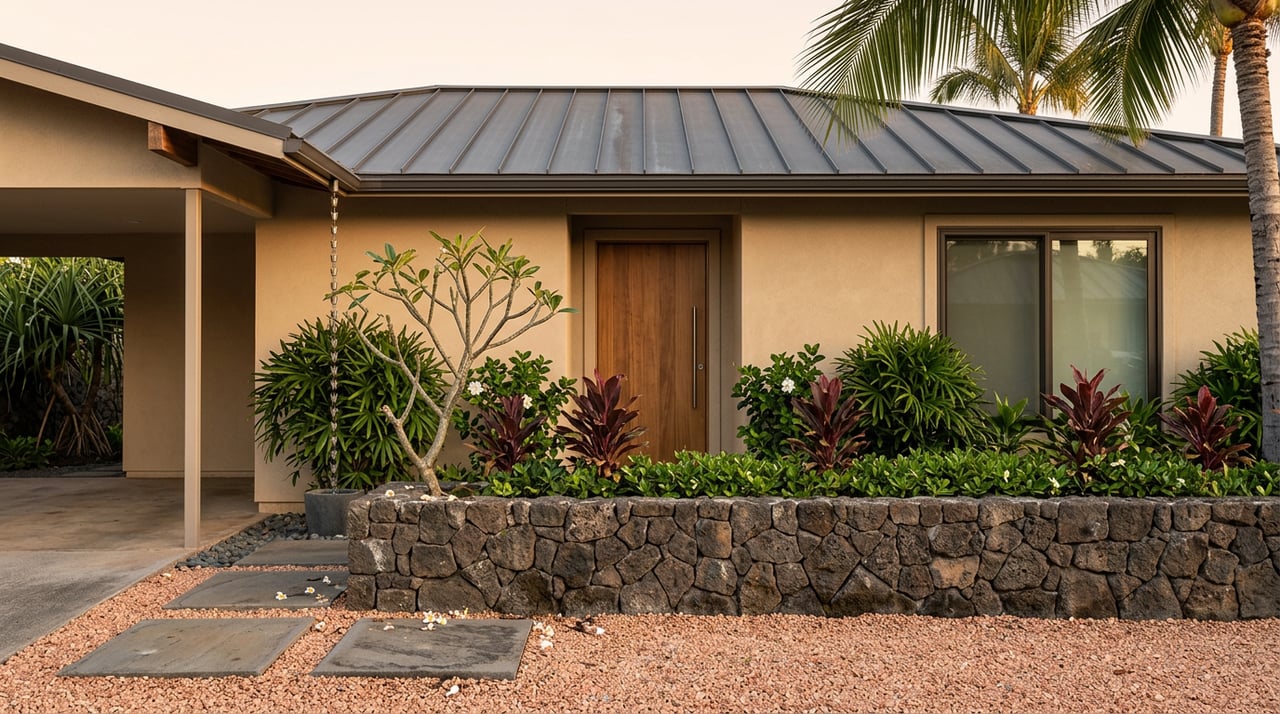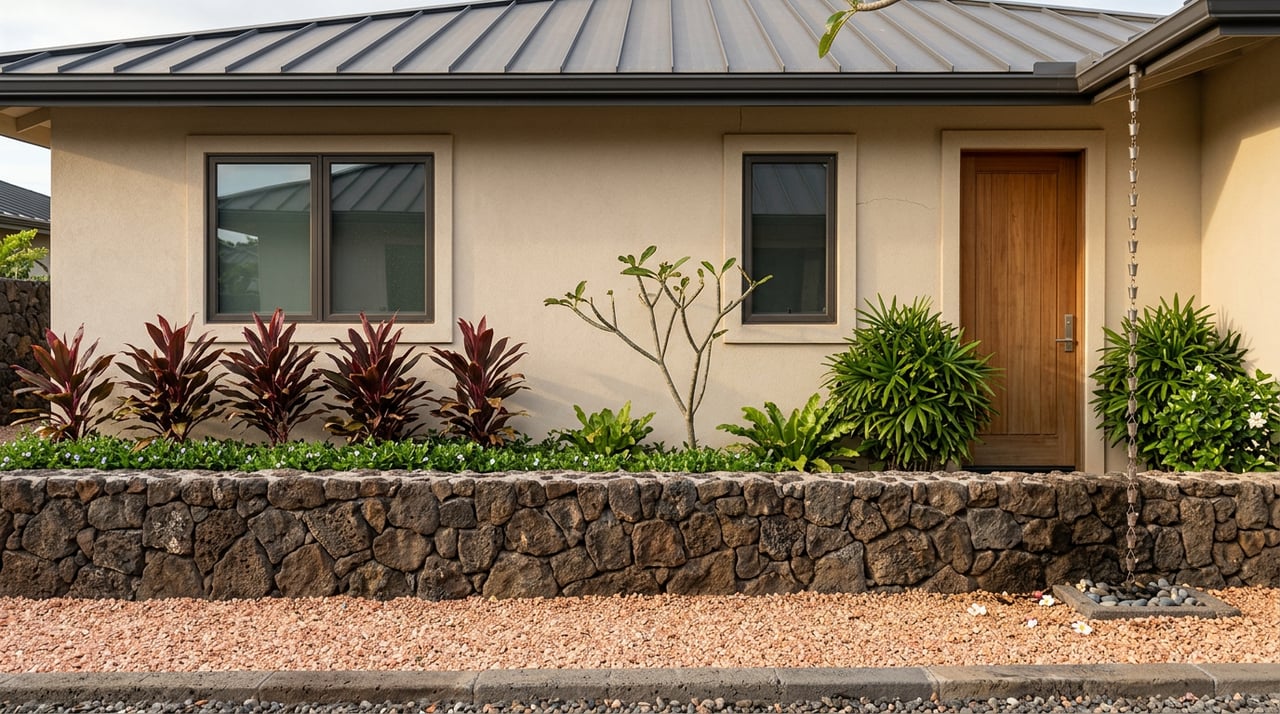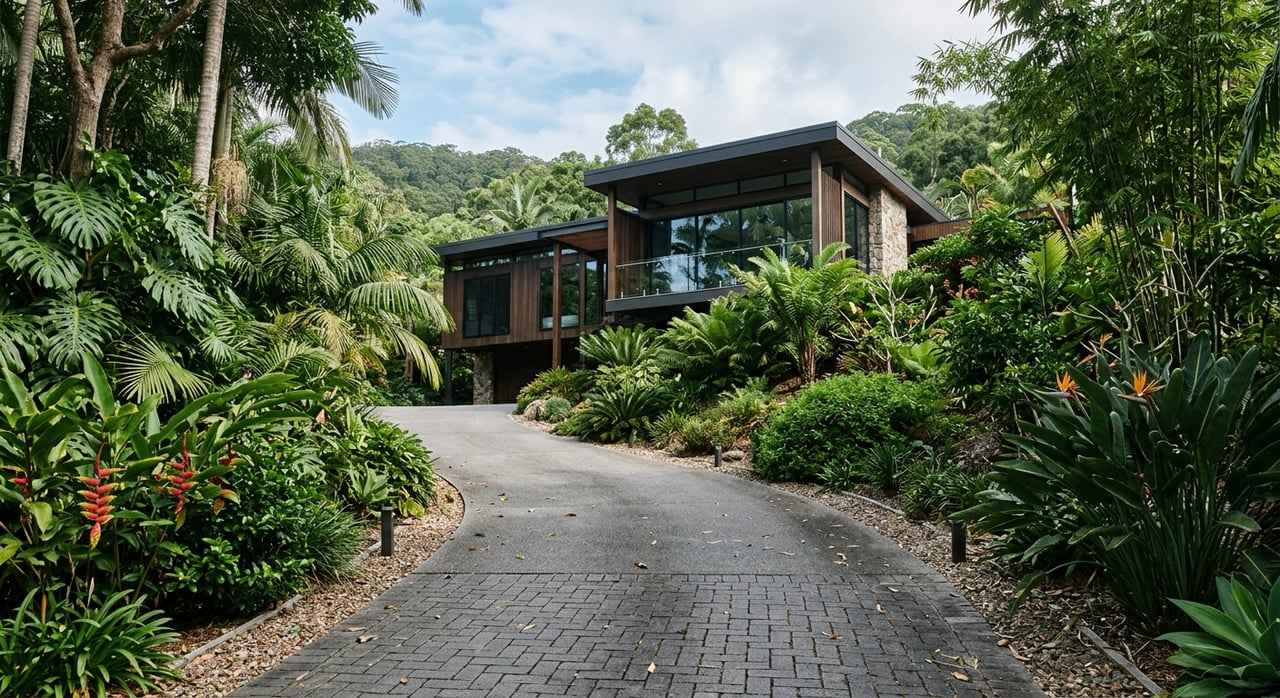
Wondering what it’s really like to buy in Maui Meadows? You are not alone. This South Maui area often catches the eye of buyers who want more land, more privacy, and a more residential setting than the shoreline communities below. If you are comparing Maui Meadows with Kihei, Wailea, or Makena, it helps to know what ownership looks like beyond the listing photos. This guide will walk you through the key things to expect before you buy. Let’s dive in.
Maui Meadows at a Glance
Maui Meadows sits mauka of Wailea in the Kihei-Makena community plan region. County records show it was developed in phases into 617 lots, with a minimum lot area of one-half acre. That larger-lot pattern is a big reason many buyers experience Maui Meadows as a lower-density alternative to nearby resort and town-oriented areas.
If you are looking for elbow room, mature landscaping, and a quieter edge-of-town feel, Maui Meadows may check a lot of boxes. In exchange, you may give up some of the resort concentration and walkability you would find closer to parts of Wailea or coastal Kihei. For many buyers, that trade-off is exactly the point.
How Maui Meadows Compares to Wailea and Kihei
Wailea and Kihei offer very different buying environments, and Maui Meadows sits in its own lane. County materials describe Wailea as a resort development with hotels, condominium apartments, commercial business centers, and single-family subdivisions. Planning materials describe downtown Kihei as a mixed-use small town center, with Kihei more broadly feeling more urban or suburban.
Maui Meadows tends to appeal to buyers who want a more residential experience. You may be a short drive from shopping, dining, and beaches, but daily life here is less about being in the middle of the resort scene and more about having space around you. That can be especially appealing if you value privacy, outdoor living, or a home site with more flexibility.
Expect Lot-by-Lot Differences
One of the most important things to know about buying in Maui Meadows is that no two properties feel exactly the same. Larger lots can create more variation in topography, drainage patterns, access, vegetation, and utility needs. A home that looks similar on paper to another one nearby can come with very different ownership considerations.
That is why due diligence matters so much here. In Maui Meadows, buyers should think beyond the home itself and study the lot, the infrastructure, and the route in and out. This is one of those neighborhoods where the details can shape your long-term costs and day-to-day experience.
Wastewater Systems Matter
One of the biggest practical issues in Maui Meadows is wastewater. County materials say the subdivision was developed without public wastewater collection systems or dry sewers. That means buyers should verify exactly what type of onsite wastewater system serves a property.
In simple terms, you will want to know whether the home uses a cesspool, septic system, or another onsite setup. Hawaiʻi Department of Health guidance says all cesspools must be upgraded to an individual wastewater system or connected to sewer by January 1, 2050. That makes this more than a routine maintenance item. It can be a future planning and budgeting issue too.
Before you make an offer, ask when the system was last pumped, inspected, or serviced. You should also ask whether the seller has records and whether any upgrades may be needed down the road. In non-sewered areas like Maui Meadows, wastewater management is a core part of responsible ownership.
Drainage Should Be Part of Your Review
Drainage is another major topic in Maui Meadows. The County has a Maui Meadows Subdivision Drainage Master Plan, and county documents describe the area as an established residential community with small gulches carrying stormwater across Piʻilani Highway. Those same materials say rare but intense storms can cause flash flooding because of drainage deficiencies.
Even if a lot looks dry during a showing, that does not tell the whole story. A property near a gulch, drainage easement, or low-lying area may behave very differently during a major rain event. County officials have also noted the importance of studying downstream effects so fixes in one area do not create new problems elsewhere.
As a buyer, this means you should look carefully at how water moves across the property. Review disclosures, ask questions about past storm impacts, and understand whether the lot has any drainage-related constraints. In Maui Meadows, drainage is not just a rainy-day issue. It is a buying decision issue.
Flood Zones Are Only Part of the Picture
Flood due diligence in Maui Meadows goes beyond checking a map. Maui County says development within a FEMA special flood hazard area or other high flood-risk area may require a Flood Development Permit. At the same time, even parcels outside mapped flood zones can still be affected by local drainage issues.
That distinction matters. A home may not sit in a mapped special flood hazard area, but the lot could still experience runoff or localized flooding during intense weather. Buyers should look at both official flood status and on-the-ground drainage realities before moving forward.
Utility Costs Can Vary
If you are used to smaller lots, utility costs in Maui Meadows may feel different. County water charges are tiered by usage and meter size, and rates can rise during declared water shortage stages. That means larger landscaped properties or lots with heavier irrigation needs may come with more variable monthly costs.
This does not make Maui Meadows a poor fit. It simply means you should evaluate the full ownership picture. A lush property can be beautiful, but it may also require more water, more upkeep, and more planning than a smaller lot elsewhere in South Maui.
Access Is About More Than Distance
On a map, Maui Meadows may look very close to the places you visit most in South Maui. In practice, access is also about route reliability. County materials describe Piʻilani Highway as the main arterial between Kihei and Wailea and South Kihei Road as the local access road along the coast.
Recent county notices have shown storm-related closures and detours on both South Kihei Road and Piʻilani Highway. For buyers, that means it is smart to think not only about drive time on a normal day, but also what happens during repairs, storms, or emergency conditions. Your daily routine may depend as much on the route as the distance.
If you commute regularly, have school drop-offs, or plan to move between South Maui neighborhoods often, ask yourself how flexible the access feels. Route reliability is easy to overlook during a quick weekend of showings, but it can have a real effect on everyday life.
Wildfire Planning Is Part of Ownership
Wildfire awareness matters in Maui Meadows. Maui County’s wildfire education resources emphasize defensible space and early evacuation planning. South Maui planning materials also call for consulting the current South Maui Community Wildfire Protection Plan and for defensible space around vacant land that borders development.
Because Maui Meadows often has larger lots and more vegetation than a denser neighborhood, buyers should pay attention to fuel load and landscape maintenance. You will also want to consider whether the property layout allows practical fire access. A beautiful, private setting can be a major asset, but it also comes with maintenance responsibilities.
This is another area where lot-specific review is key. A heavily vegetated parcel may require a different ownership approach than a more open and managed property nearby.
Coastal Rules Are Less Central Here
If you are comparing Maui Meadows with Wailea or Makena, one useful difference is where your main due diligence focus will likely land. In coastal areas, shoreline rules can be a major factor. Maui County’s 2024 shoreline rule update says erosion setbacks are now based on projected erosion with 3.2 feet of sea-level rise, and work within the shoreline setback area can require approvals before construction or ground disturbance.
In Maui Meadows, buyers are usually less focused on shoreline setback issues and more focused on drainage, wastewater, hillside conditions, and access. That does not mean one option is better than the other. It means the ownership questions are different.
Smart Questions to Ask Before You Offer
A Maui Meadows purchase should be evaluated property by property. Before you write an offer, make sure you get clear answers to questions like these:
- What wastewater system serves the property?
- When was the system last pumped, inspected, or maintained?
- Is the lot near a gulch, drainage easement, or flood hazard area?
- How does access work when South Kihei Road or Piʻilani Highway is under repair or affected by storms?
- Are there recorded restrictions, historical setbacks, or permit issues that could affect additions, grading, or accessory structures?
- If you are also comparing a coastal property, what shoreline setback or permit rules apply there?
These questions can help you spot the issues most likely to affect long-term enjoyment and unexpected cost. In Maui Meadows, a thoughtful review upfront can save you stress later.
What Buying in Maui Meadows Often Feels Like
For the right buyer, Maui Meadows offers a distinct South Maui lifestyle. You may get more land, a quieter setting, and a more residential feel than in nearby resort-centered areas. That can be especially appealing if you want privacy, room to spread out, and a home that feels a little removed from the busiest parts of the coast.
At the same time, this is not a set-it-and-forget-it type of purchase. Infrastructure, drainage, access, vegetation, and utility costs deserve close attention. When you understand those pieces from the start, you are in a much better position to decide whether Maui Meadows fits your goals.
If you are thinking about buying in Maui Meadows, having a local guide can make the process much smoother. Steve Landin can help you evaluate properties lot by lot, navigate South Maui nuances, and move forward with confidence.
FAQs
What is Maui Meadows like for homebuyers?
- Maui Meadows is generally known as a larger-lot, lower-density residential area mauka of Wailea, offering more space and a quieter setting than more resort-oriented shoreline communities.
What should buyers check about wastewater systems in Maui Meadows?
- Buyers should confirm whether a property uses a cesspool, septic system, or another onsite wastewater system, and ask for maintenance, pumping, and inspection history.
Why is drainage important when buying in Maui Meadows?
- County documents say rare but intense storms can cause flash flooding due to drainage deficiencies, so buyers should review gulches, drainage easements, runoff patterns, and any history of storm impacts.
Do flood maps tell the full story for Maui Meadows properties?
- No. Maui County notes that even parcels outside mapped flood zones can still be affected by local drainage issues, so buyers should review both flood status and site-specific conditions.
How should buyers think about access from Maui Meadows?
- Buyers should consider route reliability, not just distance, because South Kihei Road and Piʻilani Highway have had storm-related closures and detours that can affect daily travel.
What wildfire questions should buyers ask in Maui Meadows?
- Buyers should ask about defensible space, vegetation management, fuel load, and whether the property layout allows practical fire access and evacuation planning.