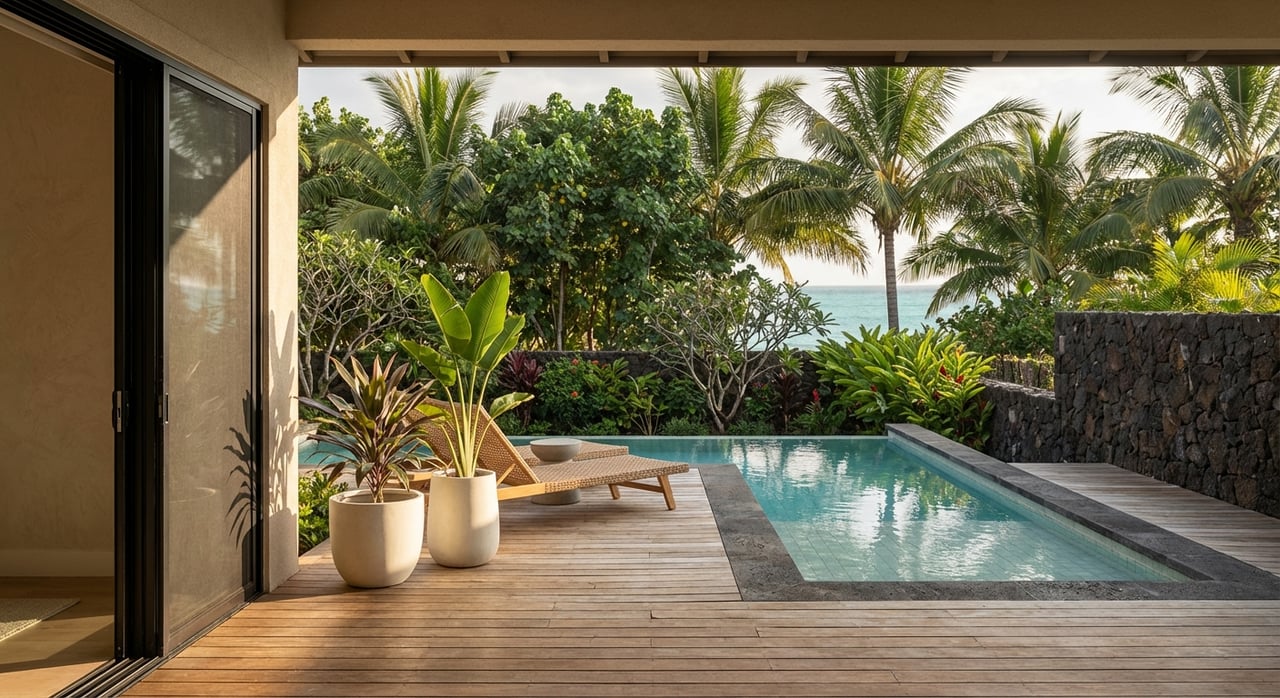
Craving more elbow room on Maui without giving up easy beach access? If you picture wide skies, ocean-view sunsets, and a peaceful neighborhood vibe, Maui Meadows might be your sweet spot. You get space, privacy, and cool evening breezes, while Wailea’s beaches, dining, and golf sit just down the hill. In this guide, you’ll learn what living in Maui Meadows really feels like, plus the key checks to make before you buy. Let’s dive in.
Maui Meadows at a glance
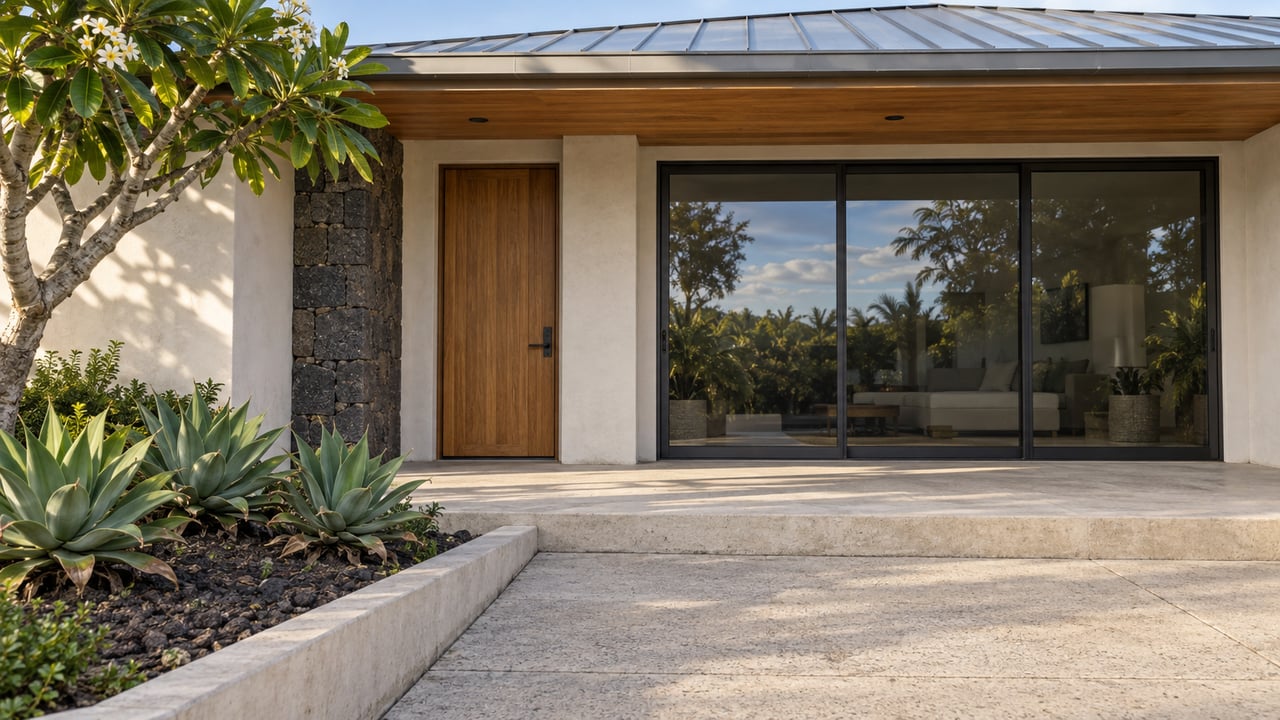
Maui Meadows sits on the lower slopes of Haleakalā above South Kīhei, right mauka of Wailea. It reads more rural and quiet than the resort areas below, with a mix of classic 1970s homes and newer custom estates. Lots are typically generous. Many parcels are about a half acre, with some reaching roughly two acres.
One thing many buyers love is flexibility. There is no single neighborhood HOA enforcing a uniform architectural style. You should still confirm any private covenants or CPR rules on a specific lot during escrow.
Space and home potential
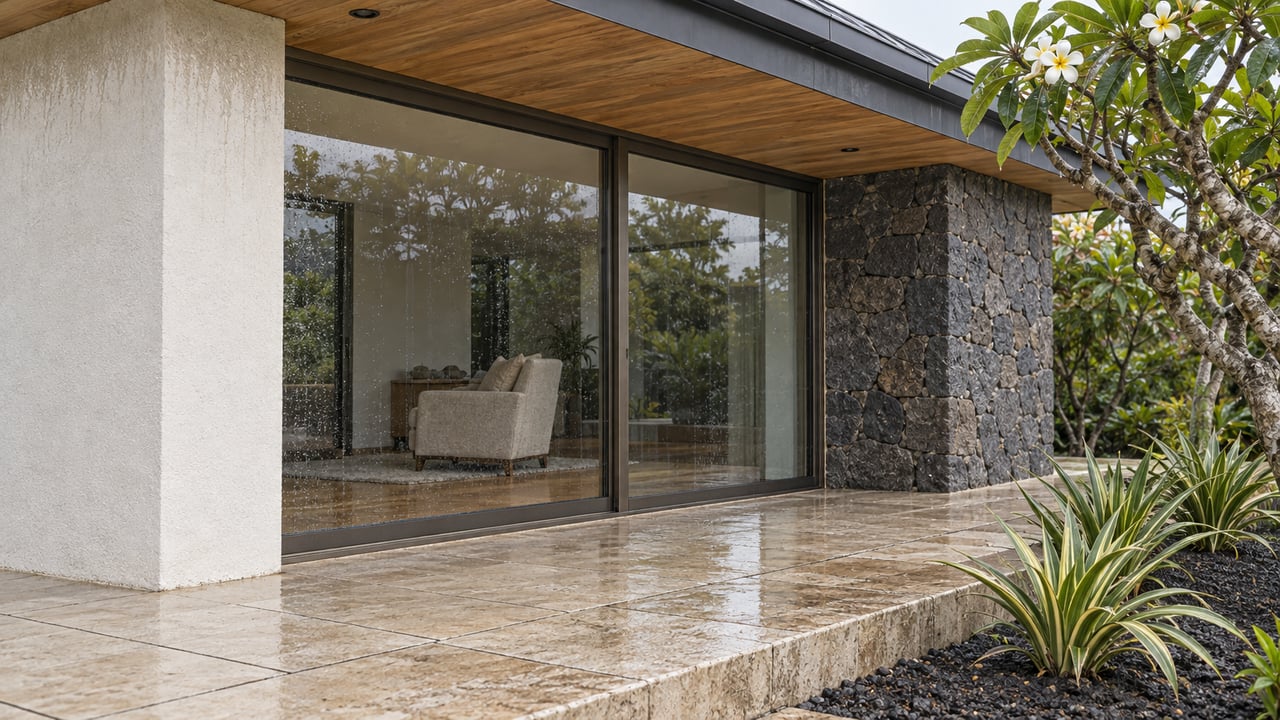
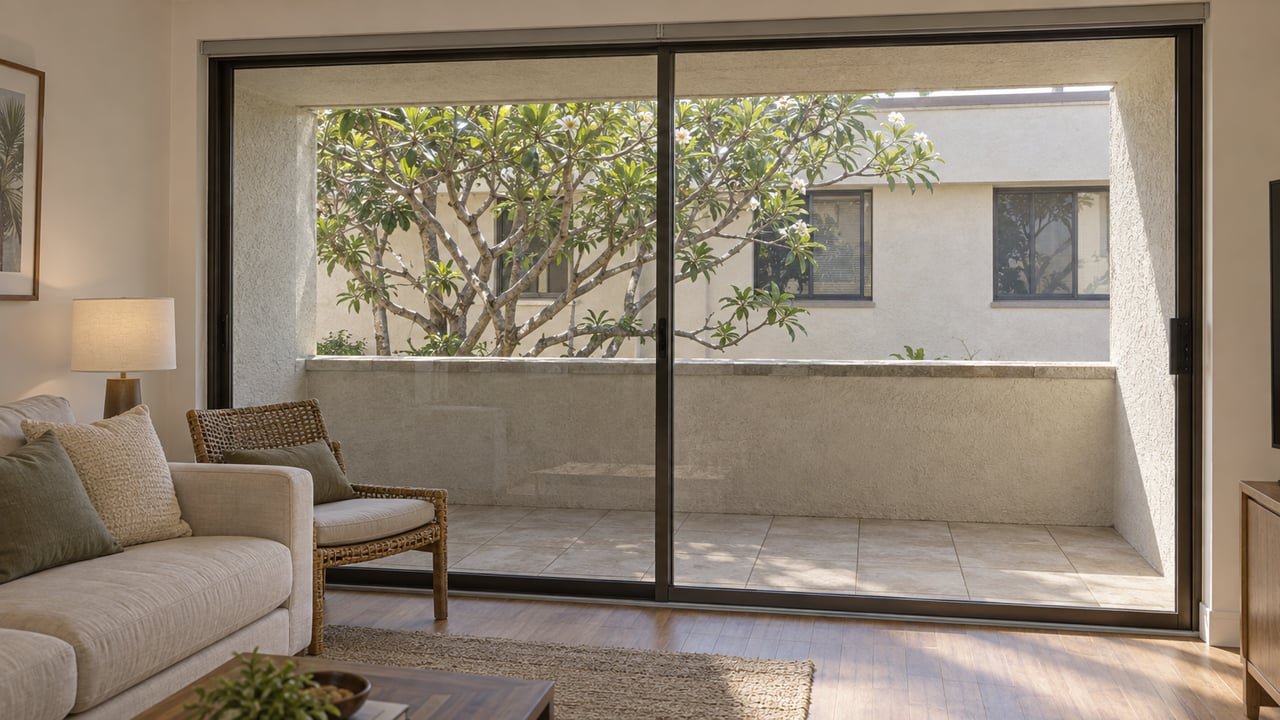
With larger lots, many properties support a main residence plus a detached cottage, pool, and expansive lanais or gardens. You often see outdoor living dialed in for entertaining and everyday comfort. If you want room for an ohana, workshop, or serious landscaping, this neighborhood frequently checks the boxes.
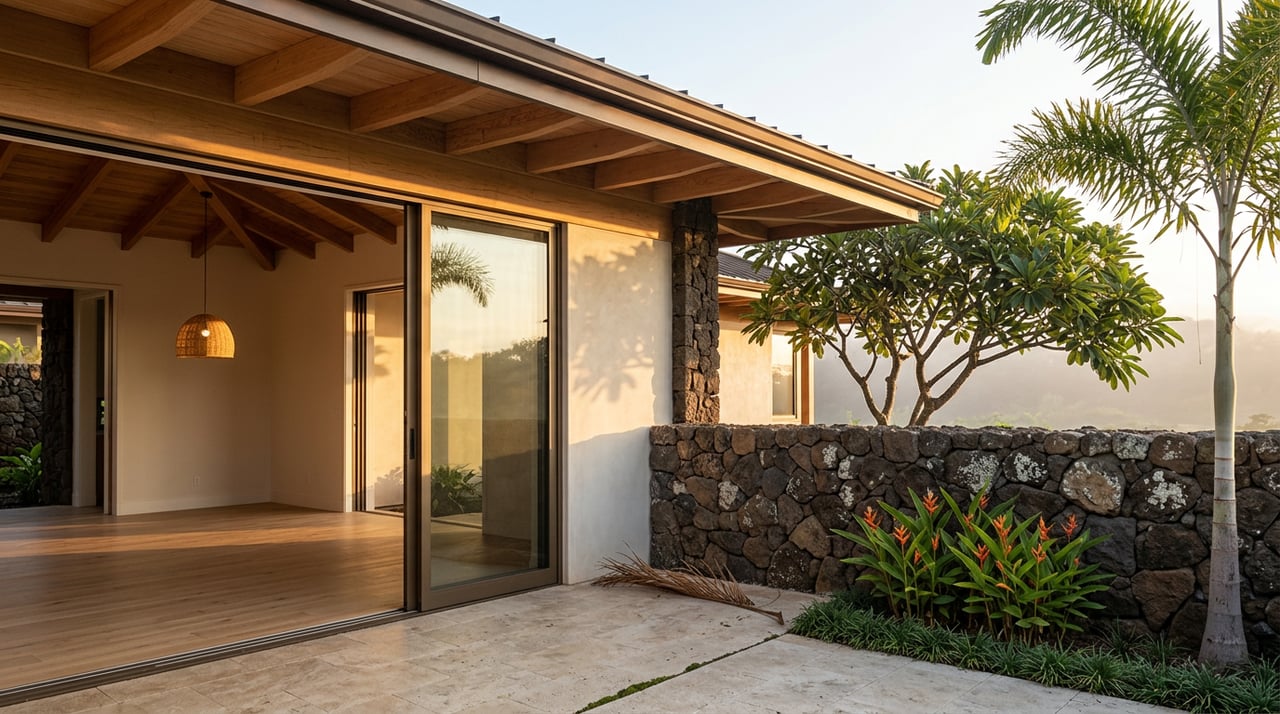
Design and build options are broader than in master-planned, gated communities. Just remember that zoning, setbacks, and any private CCRs still apply property by property.
Views and microclimate
Maui Meadows’ elevation often means ocean and outer-island views, especially from higher streets. View quality is site specific. Orientation, trees, and future development can affect what you see.
You also feel the microclimate. Evenings tend to be a bit cooler than sea-level Kīhei, and tradewinds can be steadier. That can translate to more comfortable indoor-outdoor time without being far from the shoreline.
Utilities and wastewater
Many homes in Maui Meadows rely on on-site wastewater systems. You will find septic tanks and older cesspools rather than a municipal sewer connection on numerous parcels. If you plan to remodel, add bedrooms, or build an ohana, you may need upgrades to meet current standards.
Hawai‘i law requires cesspools to be upgraded or converted by 2050. The state provides guidance that helps you understand timelines and potential costs. Review the Department of Health’s cesspool resources and prioritize a wastewater inspection during due diligence. See the state’s overview of the conversion mandate in the Department of Health’s guidance on cesspools: Hawai‘i DOH cesspool resources.
Land, wildlife, and hazards
Larger lots mean more landscape to love and maintain. Maui Meadows yards often include mature tropical plantings and fruit trees. You may also encounter local wildlife such as axis deer in the area, which is part of the setting and a consideration for fencing and garden protection. Learn more from a neighborhood overview that highlights local scenery and wildlife: Maui Meadows neighborhood notes.
The neighborhood spans slopes and gulches, so drainage and erosion control are important. South Maui has seen ongoing conversations about stormwater management and gulch maintenance. Always review a property’s drainage history, disclosures, and any engineered improvements. For broader context on South Maui planning discussions, see Civil Beat’s coverage of community concerns.
Everyday quiet and access
Life in Maui Meadows is peaceful and residential. Larger lots and the lack of a resort core help maintain that quiet. There is no central clubhouse or community pool. Most people lean on their own property amenities and the wide range of nearby options in Wailea and Kīhei.
You are close to everything. In typical conditions, you can reach Wailea shopping and beaches in just a few minutes, depending on your street and traffic on Pi‘ilani Highway. Island-wide travel is manageable too. Many South Maui residents report drives to Kahului Airport in the 20 to 35 minute range depending on time of day.
Beaches, recreation, and schools
Wailea’s beaches and walking paths, Keawakapu, and the Kama‘ole beach parks are all nearby. You also have access to Wailea’s dining, golf, tennis, and pickleball options within minutes.
For schools, South Maui offers a mix of public and private choices. Families often consider Montessori Hale O Keiki in Kīhei as a private option, along with regional private campuses such as Kamehameha Schools Maui in Pukalani. Always verify current public school boundaries and transportation directly with the DOE and individual schools. Learn more about Montessori Hale O Keiki at the school’s site.
Short-term rental rules
If you are thinking about vacation rentals, do not assume they are allowed. Maui County controls Short-Term Rental Home permits by community plan region with strict caps. Maui Meadows sits in the Kīhei–Makena region, which has a long history of limited permits and subdivision-level rules. Start with the county’s official program page for requirements and current process: Maui County STRH permits.
Local reporting has covered adjustments to caps and related council actions that reduced the availability of new permits in South Maui. The practical takeaway is simple. Many properties are not eligible for new STRH permits, and any existing permits are limited and nontransferable. For background context, see Maui News reporting on cap changes.
Market context
Inventory in Maui Meadows is often tight. You will see a broad price band that reflects original 1970s homes, thoughtfully renovated properties, and new custom estates on large lots. Time on market can vary based on view quality, privacy, and the scope of recent updates. Ask your agent for current comparables and a property-by-property assessment before writing an offer.
Buyer due diligence checklist
Use this quick list to focus your research and protect your budget:
- Wastewater system: Identify whether the property has a septic tank or a cesspool. If it is a cesspool, plan for conversion under Act 125. Review the state’s resources and ask for a professional inspection and cost estimate: Hawai‘i DOH cesspool guidance.
- STR permit status: Confirm if the property has an existing Short-Term Rental Home or B&B permit. Do not rely on hearsay or old listings. Start with County Planning’s resources: Maui County STRH program.
- Private covenants and CPRs: There is no single HOA, but some parcels have private CCRs or CPR rules. Read title documents carefully during escrow.
- Zoning, SMA, and project rules: Verify county zoning, any Special Management Area status, and whether nearby project districts could influence setbacks or permitted uses. Follow ongoing planning items that may affect traffic and infrastructure, such as Honua‘ula and other Wailea-area projects described in Maui Now’s planning coverage.
- Insurance and hazards: Ask your carrier early about wildfire, wind, and flood coverage and premiums. Hawai‘i’s insurance market has seen volatility since the 2023 wildfires. See statewide context in Civil Beat’s insurance overview.
- Access and egress: Drive the route to schools, work, and the airport at typical times. Monitor planned road or area projects that could affect traffic. You can track regional updates via Maui Now’s planning reports.
- Site conditions: Evaluate slope, drainage, and vegetation. Trees can affect views and fire risk. Soil and drainage influence pool or foundation costs. Get a site evaluation with your contractor.
- Ohana potential and grants: If you plan to owner-occupy and add a long-term rental ADU, look into Maui County’s ʻOhana Assistance Pilot Project. Check current status and requirements in Maui Now’s program launch update.
Is Maui Meadows right for you?
Choose Maui Meadows if you value space, privacy, and a calmer setting near South Maui’s best beaches. The tradeoffs are real. You may handle on-site wastewater upgrades, manage more landscaping, and forgo resort-style neighborhood amenities. If that balance sounds right, the payoff is a roomy retreat with island-quiet nights and easy access to Wailea and Kīhei.
Ready to explore properties that match your wish list? Connect with Steve Landin to get local guidance, careful due diligence, and high-touch coordination for on-island and off-island buyers.
FAQs
What is Maui Meadows known for in South Maui?
- It is a hillside residential neighborhood above Wailea known for larger lots, quiet streets, and ocean-view potential, with quick access to beaches and dining below.
How close is Maui Meadows to Wailea beaches and shops?
- In typical conditions many addresses reach Wailea beaches and shopping in minutes, depending on your street and traffic on Pi‘ilani Highway.
Are there HOAs or strict architectural rules in Maui Meadows?
- There is no single HOA, so you often have more design flexibility. Always check title for any private covenants or CPR rules on a specific lot.
Will my Maui Meadows home have ocean views?
- Views are site specific. Higher lots generally offer broader ocean and sunset views, while trees, orientation, and future development can affect visibility.
How are wastewater and cesspools handled in Maui Meadows?
- Many parcels use on-site systems. If a property has a cesspool, state law requires conversion by 2050, and costs can be significant when you remodel or expand.
Can I run a Maui Meadows home as a vacation rental?
- Not without the proper county permit. STRH permits are tightly limited in Kīhei–Makena, and new permits may not be available. Always verify with Maui County Planning.
What natural or maintenance issues should I expect?
- Plan for landscape upkeep on larger lots, potential wildlife such as axis deer, and property-specific drainage or slope considerations. Have inspections done early.