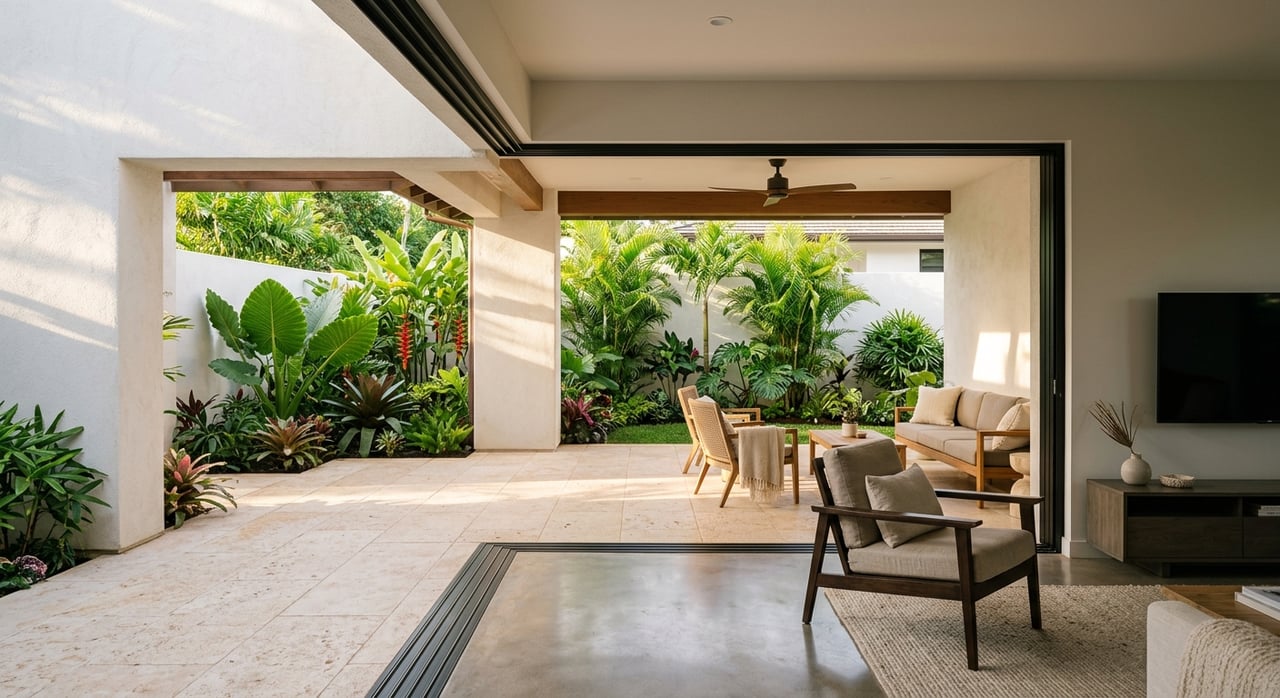
If you only know Wailea from postcards and resort brochures, you might wonder what everyday life there actually feels like. That is a fair question, especially if you are considering a move, a second home, or a property that lets you spend more time on Maui’s south shore. The good news is that Wailea offers much more than a vacation backdrop, and this guide will help you picture the daily rhythm beyond the resorts. Let’s dive in.
What Wailea feels like day to day
Wailea is not a traditional town center with a dense street grid and a long list of local government buildings. Official planning materials describe it as a 1,500-acre master-planned community on Maui’s south shore, with an estimated 2,495 housing units, about 1,745 residents, and roughly 11,250 daily visitors. It is also identified as the smallest subarea in the South Maui community plan and is planned as a resort community with shops, golf courses, and resort hotels.
That mix shapes daily life in a very specific way. You get a polished, well-kept environment with residential pockets, coastal access, and built-in amenities, but the area still functions differently from a conventional Maui town. In practical terms, Wailea often feels like a residential resort district where your routines can include beaches, dining, wellness, and outdoor time in the same part of the day.
Walkability in Wailea
Wailea has walkable pockets, especially near the shoreline and resort core. The Wailea Community Association says the area includes five beaches, three public-access beach parks, a coastal walking trail of about 1.5 miles, and more than 10 miles of landscaped roadsides. Those features make it easy to step outside for a morning walk, an evening stroll, or a quick trip between nearby amenities.
At the same time, Wailea is still spread out. Even with attractive walking areas, it is better described as car-assisted than fully walk-everywhere. If you live here, you may walk often for leisure and short outings, while still using a car for errands, appointments, and trips between different parts of South Maui.
Beach life becomes part of your routine
One of the biggest differences between visiting Wailea and living in Wailea is repetition. The shoreline stops being a special occasion and starts becoming part of normal life. County facility information shows that Wailea Beach, Ulua-Mōkapu Beach Parks, and Polo Beach Park are all free and open daily from 7:00 a.m. to 8:00 p.m., with parking, public restrooms, and showers.
Each beach park is described by Maui County as an offshore swimming beach with no lifeguard on duty. Wailea Beach sits between the Grand Wailea and Four Seasons, Ulua-Mōkapu is before The Shops at Wailea, and Polo Beach Park includes ADA parking and ADA restrooms. For residents and regular visitors, that setup supports simple routines like morning swims, paddling, sunbathing, or catching sunset without turning it into a full-day event.
Everyday errands and dining options
Wailea stands out for the depth of its dining and retail options relative to its size. The Wailea Community Association says the area has more than 50 restaurants and lounges, while The Shops at Wailea describes itself as home to more than 70 boutiques, shops, restaurants, and galleries. That means you are not limited to a handful of places when you want a casual meal, dinner out, or a quick stop while running errands.
Recent Wailea Resort Association coverage highlighted everyday-friendly dining spots at The Shops at Wailea, including Aurum Maui, Ruth’s Chris Steak House, The Pint & Cork, Tommy Bahama, Waikīkī Brewing Company, and Wolfgang’s Steakhouse. Resort properties also add more choices, with Four Seasons listing Spago Maui, Ferraro’s Restaurant & Bar, Duo Steak and Seafood, and KOMO. Wailea’s dining scene continues to evolve too, with Nobu opening at Grand Wailea in 2025.
Wellness and fitness in Wailea
For many people, Wailea’s appeal is not just the ocean. It is the way wellness can fit naturally into your week. The Wailea Community Association notes five spas plus fitness centers at resort hotels, giving the area a strong health-and-wellness presence even beyond the beach.
Grand Wailea’s Kilolani Spa currently offers a 24-hour fitness center, outdoor yoga, group cycle classes, and Maui resident wellness memberships. That kind of access can be meaningful if you want a neighborhood where movement, recovery, and outdoor living are easy to build into your schedule. Instead of planning your lifestyle around scattered amenities, you may find many of them clustered within the Wailea area.
Community spaces and shared amenities
Wailea also has community features that support everyday living, not just visitor experiences. According to the Wailea Community Association, the common areas include parks, beach accesses, and landscaped roadsides throughout the community. The association also says there is a community park that includes Maui’s first dog park.
Those details matter because they add texture to daily life. A place feels different when you have somewhere to walk your dog, stretch your legs, or meet up outdoors without always heading to a resort space. The Wailea Community Association also states that it provides 24-hour patrol along with a separate beach-walk patrol at night, which helps explain the area’s consistently maintained and monitored feel.
Social life in a resort-based community
Wailea does have a community calendar, but it works a little differently than it would in a traditional downtown. The social rhythm is shaped heavily by resort properties, retail centers, and community organizations rather than by a central civic district. That creates a year-round mix of public events, seasonal programming, and hospitality-led gatherings.
The Wailea Community Association says it hosts an annual membership meeting and publishes a periodic newsletter. Its news feed has also highlighted seasonal public events such as Keiki Halloween at The Shops at Wailea and holiday celebrations in December with free Santa photos, concerts, and family programming. This points to a lifestyle where community connection often happens through curated public events and shared gathering spaces.
Cultural programming and public events
Wailea’s event calendar also includes cultural programming that is open and public-facing. The Wailea Resort Association’s Festivals of Aloha 2025 page described free public events with Hawaiian practitioners, a live market, hula, music, and cultural demonstrations. Four Seasons’ Hawaiian culture programming also includes music, storytelling, lei making, hula lessons, and related activities.
For someone considering a home in Wailea, that means the area can offer more than scenery and convenience. It may also provide regular opportunities to engage with events and experiences that add variety to everyday life. While the setting is resort-oriented, the calendar itself can still feel active and community-minded.
Is Wailea right for full-time living?
Wailea can be a strong fit if you want a clean, organized coastal environment with easy access to beaches, dining, wellness, and outdoor routines. It may especially appeal to buyers who value convenience, a polished setting, and a lifestyle that blends residential living with resort-area amenities. If you enjoy the idea of living where a beach walk or dinner out can be part of an ordinary weekday, Wailea has a lot to offer.
It is also important to understand what Wailea is not. It is not a dense urban neighborhood, and it does not operate like a traditional local town center. If you are thinking about buying there, the key is matching the area’s resort-based rhythm and car-assisted layout to the way you actually want to live.
Why local guidance matters in Wailea
Wailea has a very specific identity within South Maui, and that is exactly why local guidance matters. Two properties can both carry a Wailea address while offering very different daily experiences based on beach proximity, access to shops, surrounding uses, and how connected they feel to the parts of Wailea you will use most often. Understanding that difference can help you buy with more confidence.
If you are weighing Wailea against other South Maui areas, or trying to decide whether it fits your goals for a primary home, second home, or investment, it helps to work with someone who understands the micro-market. Steve Landin brings a high-touch, detail-oriented approach to Maui real estate, with deep experience in the Kihei to Wailea corridor and responsive support for both local and off-island clients. When you are ready to explore your options, connect with Steve Landin.
FAQs
What is everyday life like in Wailea beyond the resorts?
- Everyday life in Wailea blends residential living with resort-area amenities, including beach access, dining, wellness options, walking areas, and public events throughout the year.
Is Wailea walkable for full-time residents?
- Wailea has walkable areas near the shoreline and resort core, including a coastal trail of about 1.5 miles, but most residents still rely on a car for many errands and trips around South Maui.
Which public beaches are available in Wailea?
- Maui County lists Wailea Beach, Ulua-Mōkapu Beach Parks, and Polo Beach Park as free public beaches with parking, restrooms, and showers, open daily from 7:00 a.m. to 8:00 p.m.
Does Wailea have places for dining and shopping?
- Yes. The Wailea Community Association says Wailea has more than 50 restaurants and lounges, and The Shops at Wailea reports more than 70 boutiques, shops, restaurants, and galleries.
Are there fitness and wellness options in Wailea?
- Yes. Wailea includes multiple spas and resort fitness centers, and Grand Wailea’s Kilolani Spa lists a 24-hour fitness center, outdoor yoga, group cycle classes, and Maui resident wellness memberships.
Does Wailea have community events for residents and visitors?
- Yes. Public events in Wailea include seasonal gatherings at The Shops at Wailea, community association programming, and cultural events such as music, hula, lei making, and live demonstrations.