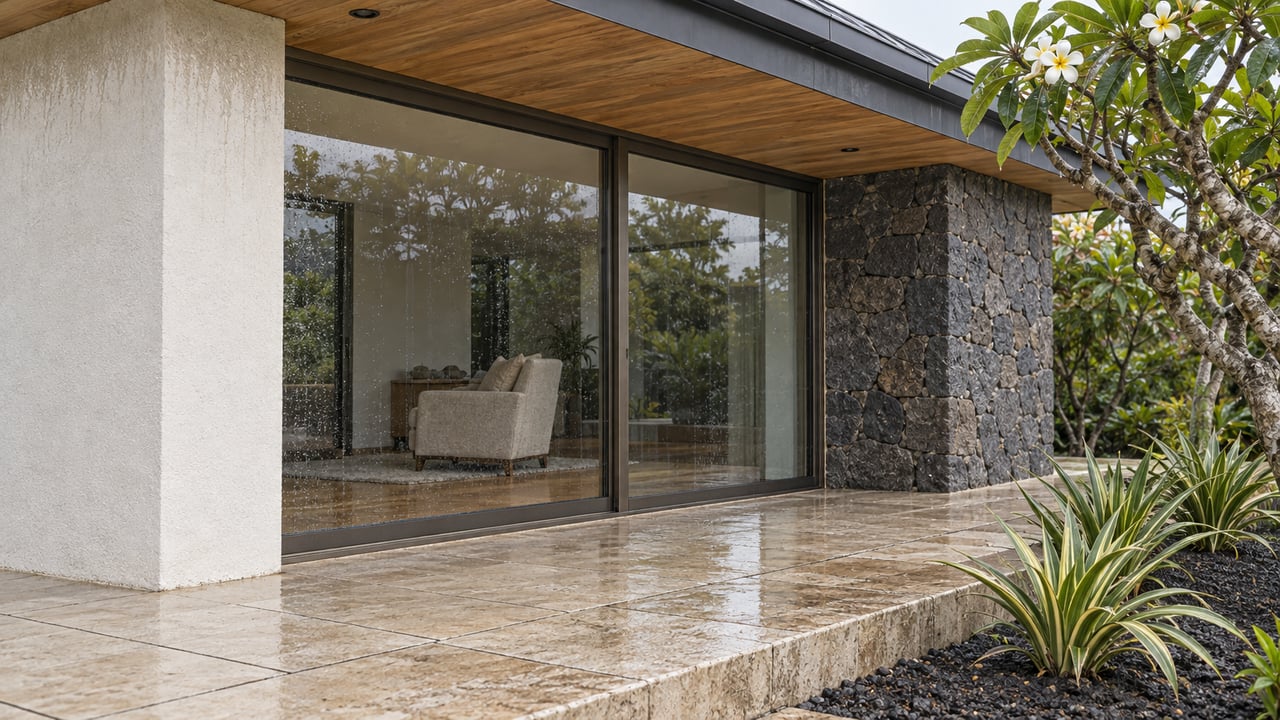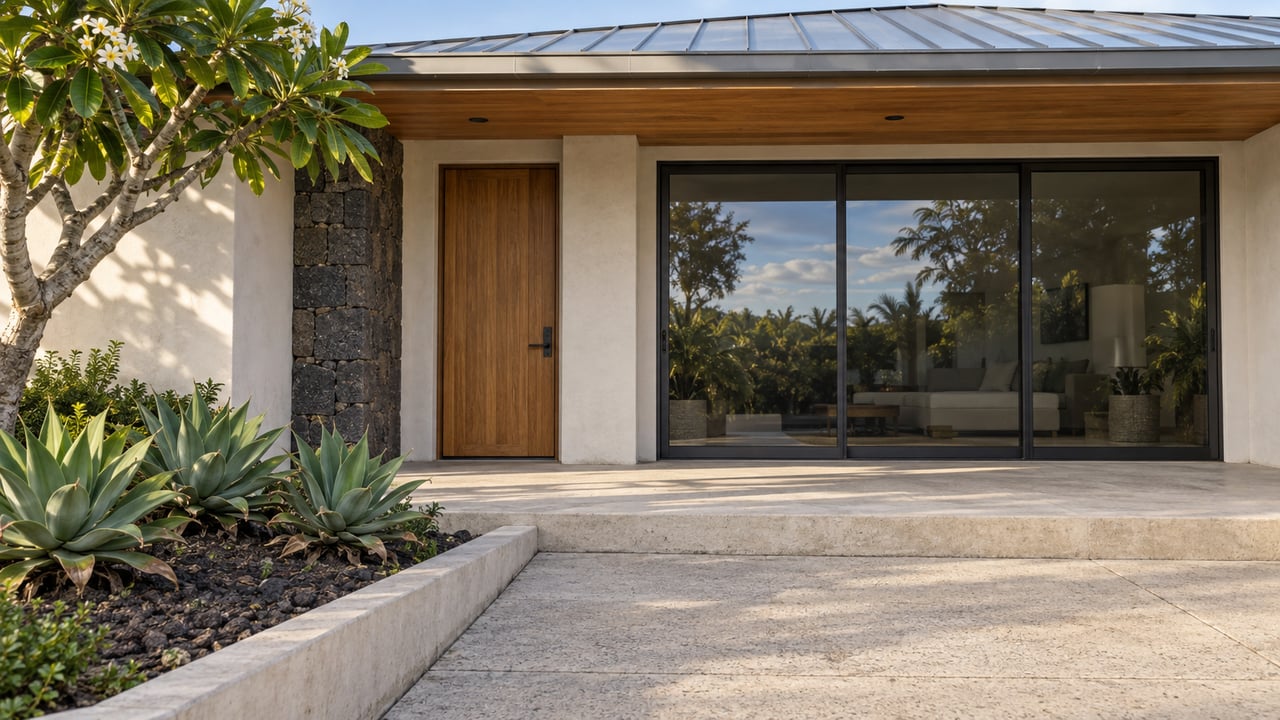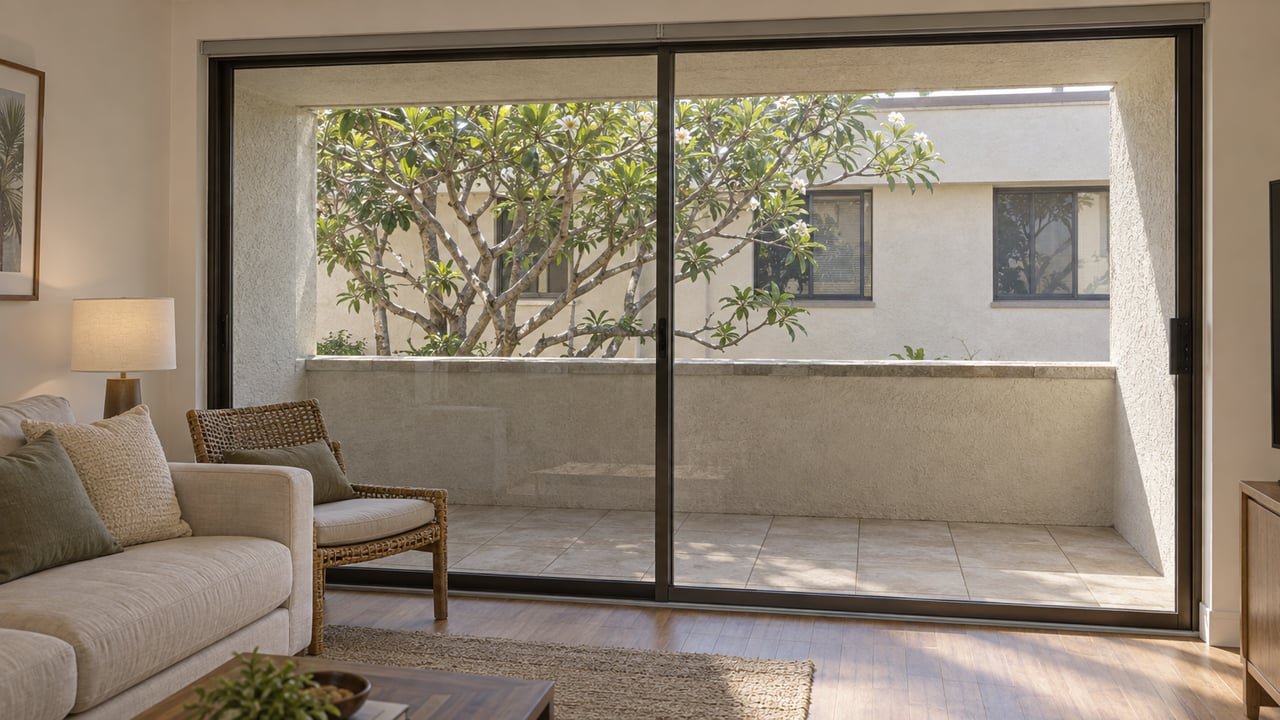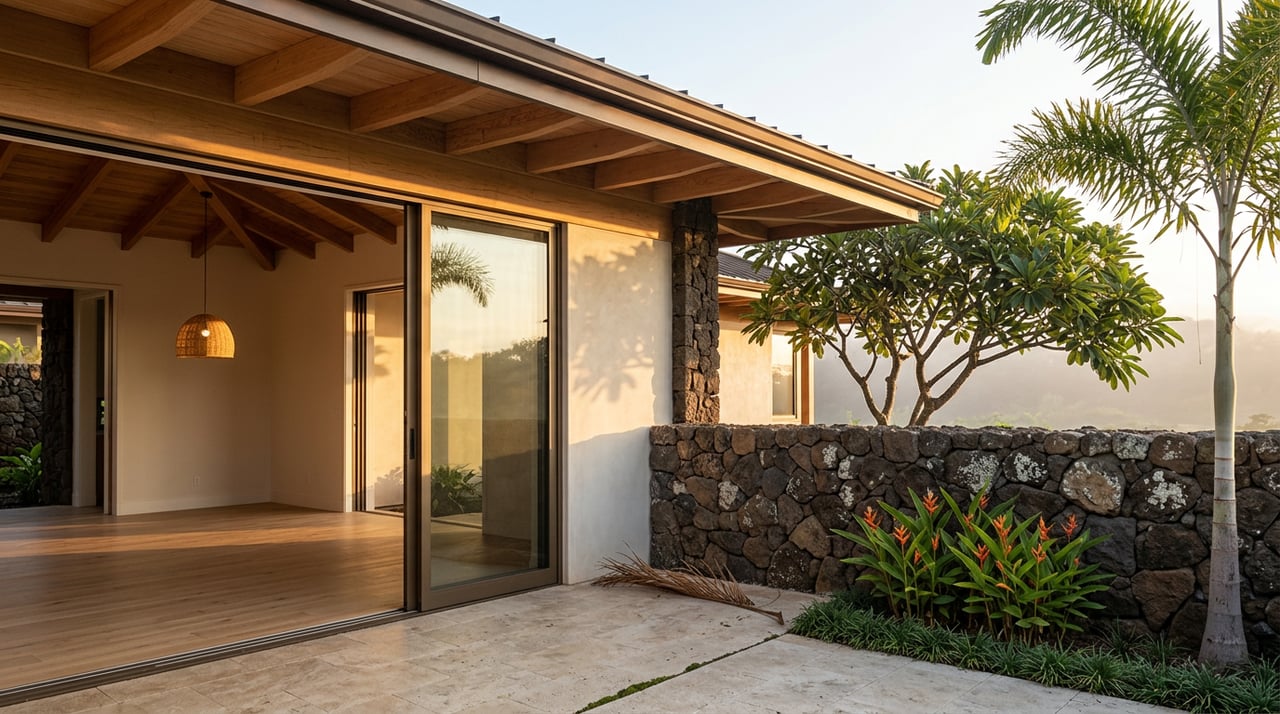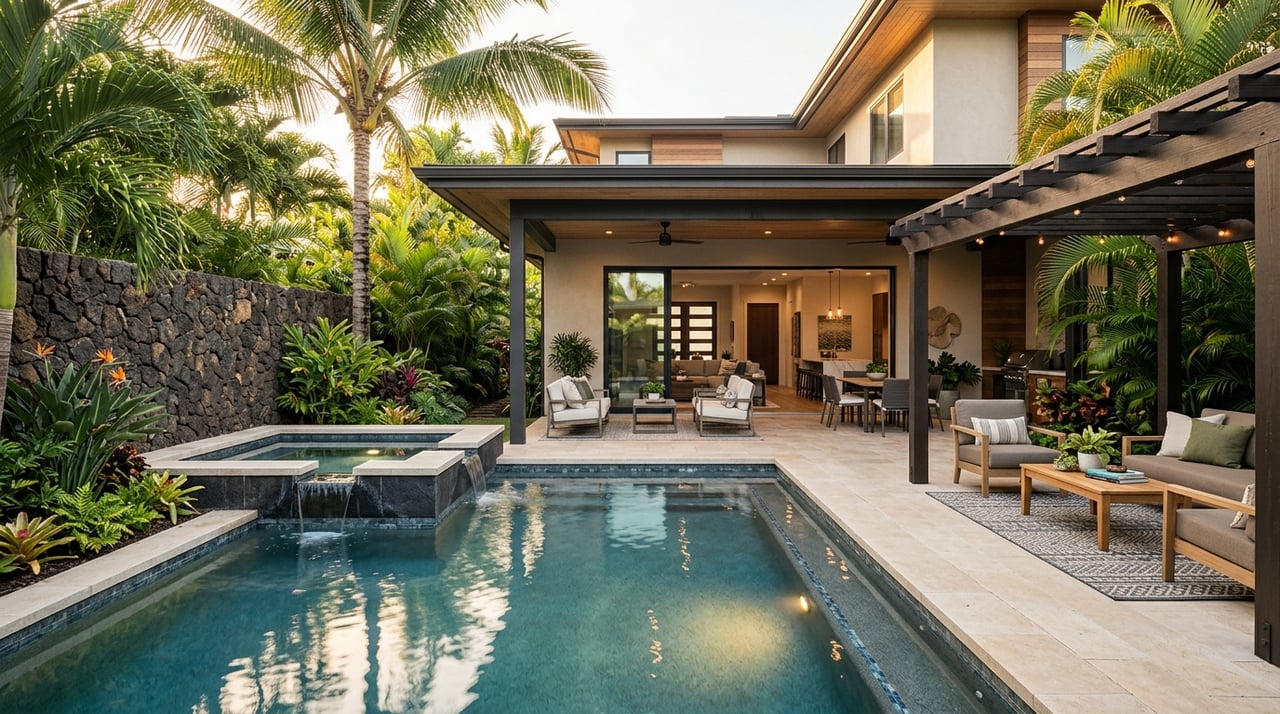
If you are drawn to Maui Meadows, chances are the outdoor space is a big part of the appeal. This hillside South Maui neighborhood offers room to spread out, sunny and dry conditions, and the kind of ocean-facing setting that can make a lanai feel like the heart of the home. Whether you already own in Maui Meadows or you are thinking about buying there, the right outdoor living ideas can help you make the most of your lot, your views, and your day-to-day comfort. Let’s dive in.
Why outdoor living matters here
Maui Meadows is not a tight-lot neighborhood where the yard is just a leftover strip around the house. Maui County describes the area as roughly 600 mostly rural lots, each at least half an acre, with elevations ranging from about 220 to 660 feet above sea level and an average slope of about 12 percent.
That combination of space and topography creates real potential for layered outdoor living. Instead of treating the yard as one open area, you can think in terms of zones for dining, lounging, gardening, and enjoying the view.
The Kihei-Makena Community Plan also points to sunny, dry weather and broad ocean and mauka views as defining assets of the area. In Maui Meadows, the best outdoor spaces usually work with those natural advantages rather than competing with them.
Start with the view
In many Maui Meadows homes, the view is the feature that ties the entire property together. That means your outdoor design should support clear sight lines from inside the home, from the lanai, and from key seating areas in the yard.
Low-profile edges often work better than bulky barriers. Bench seating, terraced planters, and railings that feel visually light can help define a space without closing it in.
This approach also fits local planning guidance. The Kihei-Makena Community Plan emphasizes preserving significant ocean and mauka views and notes that walls higher than 4 feet should not be used in front-yard setbacks, especially in view corridors.
Simple ways to protect sight lines
- Place seating where you naturally look outward, not into a hedge or wall
- Use lower plantings near primary view corridors
- Choose shade elements that frame the view instead of blocking it
- Be careful with tree placement, especially on sloped lots
- Keep hardscape edges clean and visually open
Build a lanai that works like a room
A spacious lanai can do more than hold a table and a few chairs. In Maui Meadows, larger lots and hillside layouts often allow homeowners to create outdoor rooms with a clear purpose.
You might have one zone for outdoor dining, another for morning coffee, and another for evening lounging. When each zone has a role, the whole outdoor area feels more intentional and easier to use.
This matters in South Maui’s generally sunny, dry climate. NOAA’s Hawaii climate summary describes leeward areas as sunny and dry, and Maui leeward forecasts often call for sunny or mostly sunny and breezy conditions, so comfort features can make a big difference in how often you use the space.
Outdoor room ideas for Maui Meadows homes
- Dining area near the kitchen for easy indoor-outdoor flow
- Lounge seating oriented toward sunset and ocean views
- Quiet corner for reading or coffee on the mauka side
- Small garden seating area tucked into a sheltered microclimate
- Flexible open zone for casual entertaining
Add shade where you need it most
Sun is one of the biggest benefits of living in South Maui, but too much direct exposure can make a great yard less usable. Shade helps extend the hours when you actually want to be outside.
Pergolas, awnings, and shade trees can all help, especially in the hottest parts of the day. The key is to place them where they improve comfort without taking over the lot or interrupting the view.
Tree placement deserves extra thought. Maui County’s planting guidance notes that over-planting is common when mature canopy size is underestimated, which is especially important in a view-oriented neighborhood like Maui Meadows.
Good shade strategy usually means
- Covering the most-used seating areas first
- Adding shade where reflected heat is strongest
- Choosing trees and structures with mature size in mind
- Keeping major view corridors open
- Matching shade solutions to the wind and sun patterns on your lot
Plan for wind, slope, and drainage
Not every part of a Maui Meadows lot will feel the same. Maui County recommends grouping plants by water need and microclimate because sun, shade, heat, air movement, and moisture can vary even within one yard.
That is especially useful in a sloped neighborhood. One part of the property may be more exposed and dry, while another may be more sheltered and better suited for a seating nook or accent planting.
Before adding major hardscape, it helps to think beyond looks. Slope, drainage, and access all affect how a deck, terrace, path, or pool area will perform over time.
Choose water-wise landscaping
Maui Meadows sits in a dry part of the island. The county drainage master plan notes that the Kihei District receives about 10 inches of mean annual rainfall, which supports a more water-wise approach to landscape design.
That does not mean the yard has to feel sparse. It means the most practical landscapes tend to rely on drought-tolerant plantings, thoughtful irrigation, and materials that help retain moisture.
Maui County encourages xeriscaping, native plants, and drought-tolerant plants. The county also notes that native Hawaiian plants generally do best in sunny, well-drained soil.
Planting ideas that fit the setting
Maui County’s drought-tolerant planting plan includes native or endemic options such as:
- a‘ali‘i
- ‘alahe‘e
- ohe makai
- wiliwili
- hao
- lama
The same county plan also names dry-tolerant accents such as:
- sea grape
- silver buttonwood
A native-leaning, drought-tolerant palette can help your yard feel grounded in place while keeping maintenance more manageable.
Use irrigation and mulch wisely
In a sunny, breezy area, the way you water matters almost as much as what you plant. Maui County notes that sunny or beach-adjacent areas dry out faster and that wind can make above-ground sprinkler systems inefficient.
The county also recommends hand-watering as the most efficient way to save water. Deep soaking is generally better than frequent shallow watering because it encourages deeper roots, and established plants often need less water after the first month or two.
Mulch is another useful tool. Maui County recommends both thick organic mulches and stone mulches to suppress weeds and help with moisture retention, and it specifically mentions red or black cinder, blue rock chips, smooth river rocks, and coral chips as useful options.
Smart low-water yard habits
- Group plants by similar water needs
- Keep high-water planting areas small
- Deep-water new plants while roots establish
- Use mulch to hold moisture and reduce weeds
- Keep mulch a few inches away from trunks
- Match each planting zone to its sun and wind exposure
Think carefully about pools and spas
A pool or spa can be a natural fit for a Maui Meadows property, especially on a larger lot with a strong view orientation. But these features work best when they are planned as part of the site, not added at the end as decoration.
Permitting, grading, drainage, and electrical coordination all matter. Maui County states that a building permit is required for the construction, alteration, moving, demolition, repair, and use of any building or structure, so early planning is essential.
The same idea applies to expanded lanais, decks, retaining features, and other significant outdoor improvements. It is smart to treat permitting as one of the first steps in the process.
Make the yard easier to live with
The most successful outdoor spaces are not always the most elaborate. Often, they are the ones that fit the site, support the view, and feel easy to maintain.
In Maui Meadows, that usually means balancing comfort with restraint. A well-placed lanai, practical shade, low-water planting, and clear outdoor zones can go a long way without overbuilding the property.
If you are buying in the neighborhood, these features are also worth looking at during your home search. The way a lot handles sun, slope, wind, privacy, and drainage can affect how enjoyable the outdoor space feels long after move-in day.
When you want local guidance on Maui Meadows homes and the outdoor lifestyle that comes with them, Steve Landin offers attentive, high-touch support to help you find the right fit in South Maui.
FAQs
What outdoor features work best for Maui Meadows homes?
- Large lanais, view-oriented seating, strategic shade, and water-wise landscaping often fit Maui Meadows best because the neighborhood offers larger lots, sunny dry conditions, and strong view potential.
Do Maui Meadows outdoor projects need permits?
- In Maui County, a building permit is required for new construction and many additions or alterations, so significant projects such as lanai covers, deck expansions, pools, spas, or retaining work should be reviewed early.
How can you add privacy without blocking views in Maui Meadows?
- Low-profile seating, terraced planters, carefully placed trees, and lower plantings near main sight lines can help create privacy and comfort while preserving ocean and mauka views.
What plants fit a Maui Meadows yard?
- Maui County supports a native-leaning, drought-tolerant approach for sunny, well-drained areas, with options such as a‘ali‘i, ‘alahe‘e, ohe makai, wiliwili, hao, lama, sea grape, and silver buttonwood.
How should you water a yard in Maui Meadows?
- Maui County recommends grouping plants by water need and microclimate, using deep soaking instead of frequent shallow watering, and recognizing that sunny and windy areas dry out faster than more sheltered parts of the yard.