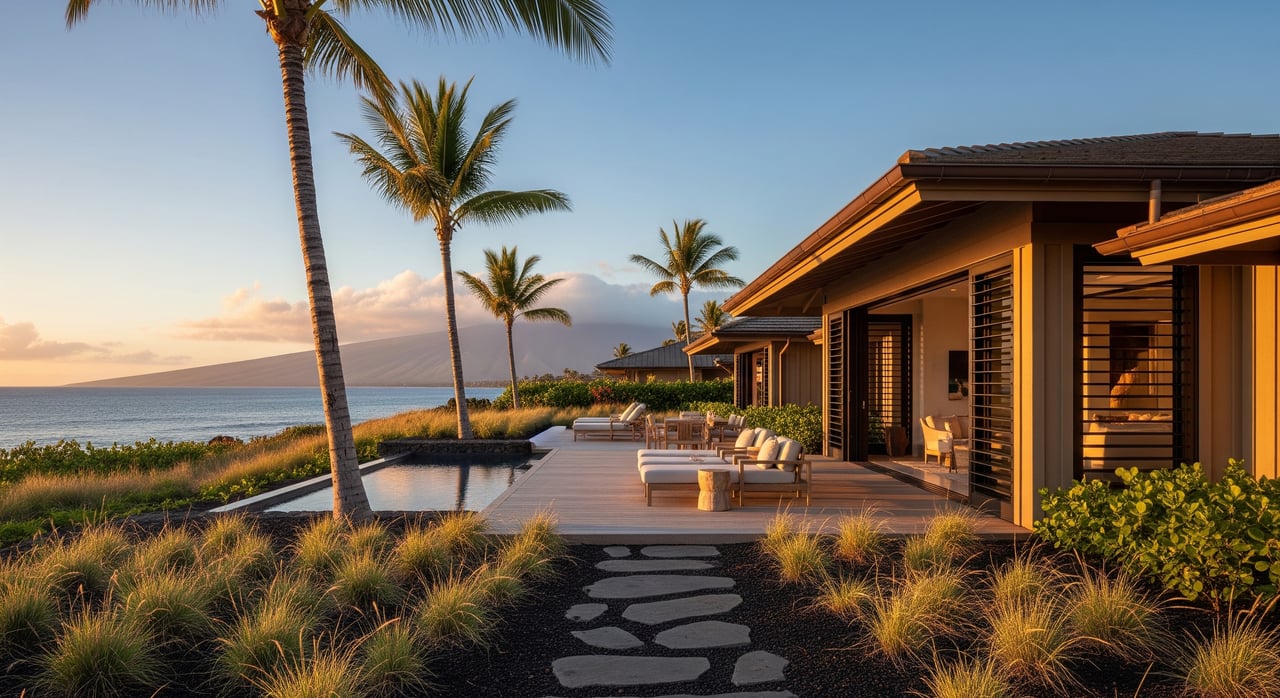
Can a shift of just a few blocks change how your Kihei home feels day to day? It often does. Between ocean breezes, the slope of Haleakalā, and short jumps in elevation, Kihei’s microclimates can shape comfort, energy bills, and maintenance needs. This guide helps you read those patterns so you can choose a spot that fits your lifestyle and budget. Let’s dive in.
Why Kihei has microclimates
Kihei sits on the leeward side of Maui below Haleakalā, where a rain shadow and the island’s topography create sharp differences in wind and rainfall. The northeast trade winds are the main cooling force, and small changes in exposure can make one lot breezy while another feels still. Moving mauka often means more rainfall and slightly cooler nights. You can see how rainfall shifts over short distances in the Rainfall Atlas of Hawai‘i.
Year-round, Kihei has warm, maritime weather. Daytime highs often sit in the high 70s to mid 80s, and nights commonly run from the mid 60s to mid 70s. Humidity tends to be higher near the shoreline, and wind patterns vary seasonally with occasional Kona wind events. For climate context and trade wind patterns, check the National Weather Service Honolulu.
What each area feels like
Oceanfront and shoreline (makai)
Typical conditions: Stronger sea breezes, higher humidity, and frequent salt spray.
Practical effects:
- Breezy afternoons feel great when trades are active.
- Salt exposure speeds up corrosion on metal, fasteners, HVAC parts, and vehicles.
- Low-elevation lots can face flood, erosion, and tsunami exposure.
Features to favor:
- Cross-ventilation, shaded lanais, and ceiling fans.
- Corrosion-resistant materials and coatings.
- Elevated foundations and engineered shoreline protections when applicable.
Central Kihei and low-lying interior
Typical conditions: Still influenced by sea breeze with less constant salt spray; can feel hotter on calm afternoons.
Practical effects:
- Good balance of airflow and reduced corrosion compared with oceanfront.
- Outdoor spaces are usable most of the year.
Features to favor:
- Passive cooling design such as shading, window orientation, and screened lanais.
- Solar-ready rooftops and good attic ventilation.
Mauka and upslope neighborhoods
Typical conditions: A short move mauka often brings more rain, greener landscaping, and slightly cooler nights.
Practical effects:
- More rainfall lowers brushfire risk but raises drainage needs on sloped lots.
- Moisture-loving pests can be more common.
Features to favor:
- Solid roof drainage, gutters, and slope stabilization.
- Moisture-smart construction details like ventilated crawlspaces and vapor barriers.
Wind-sheltered pockets
Typical conditions: Buildings, trees, and terrain can block wind so areas feel warmer and more humid.
Practical effects:
- Outdoor spaces may need added shade and smart window placement.
- Reduced airflow can increase mold or mosquito issues if interiors are poorly ventilated.
Features to favor:
- Reflective or light-colored roofing and deep overhangs.
- Whole-house fans, operable windows, and ceiling fans.
Energy, maintenance, and risk
Energy and comfort
Cooling needs vary a lot by airflow. Homes with steady trades and good cross-ventilation often run AC less, which cuts electric costs. Hawaii’s electricity prices rank among the highest in the country, so rooftop solar and battery storage can be a smart investment. Explore programs and interconnection options with Hawaiian Electric, and see price context at the U.S. Energy Information Administration.
Maintenance and durability
Salt is tough on buildings near the ocean. Expect faster rusting on exposed metals, quicker paint wear, and more frequent servicing for mechanical equipment. Use marine-grade fasteners, stainless or powder-coated metals, and materials rated for UV and salt. You can find practical coastal guidance through University of Hawai‘i Sea Grant.
Flood and hazard awareness
Many shoreline areas fall into mapped flood zones that affect insurance and lending. Always check a specific address in the FEMA Flood Map Service Center. For long-term exposure, explore scenarios in the NOAA Sea Level Rise Viewer. Drier, leeward slopes can also face brushfire risk in some conditions, so plan landscaping and defensible space with resources from the Hawaii Wildfire Management Organization.
What to check during showings
- Visit at different times of day to note breezes, shade patterns, and any heat buildup in sheltered areas.
- Look for salt corrosion on railings, hinges, AC units, and vehicles in carports. Ask about the schedule for recoating or replacements.
- Confirm the property’s elevation and flood zone in the FEMA Flood Map Service Center. For shoreline locations, also review the NOAA Sea Level Rise Viewer.
- Inspect roof condition, gutters, and site drainage. On slopes, assess retaining walls and erosion control.
- Review ventilation and HVAC: Are there operable windows placed for cross-breezes? Are fans or a dehumidification system in place?
- Request termite inspection history and recent pest control, especially for wetter pockets.
- For oceanfronts, ask about shoreline setback, any seawall or shore protection, and documented erosion history.
Smart questions to ask
- How often have exterior metals been replaced, recoated, or serviced in the last 5 to 10 years?
- Has the property had coastal flooding, high surf impacts, or tsunami evacuation orders? Any related insurance claims?
- What are typical monthly electric bills by season? Is there a solar system, and if so, what are the production figures and interconnection details?
- Are there known drainage issues or slope movement on mauka lots?
- How consistent are the trade winds at this site, and are there times when AC is needed?
Budget and resale lens
Energy and maintenance can vary widely by microclimate. Oceanfront often delivers amazing breezes and views but usually requires a higher maintenance budget and careful attention to coastal risk and insurance. Slightly inland or low-lying interior areas can offer a comfortable balance of airflow and lower salt exposure, which may reduce long-term costs.
If you prefer greener landscapes and cooler evenings, mauka neighborhoods may fit your lifestyle, but plan for solid drainage and moisture control. As you compare homes, use data on flood zones and long-term exposures, ask for utility histories, and evaluate passive cooling features. These details improve day-to-day comfort and support your long-range budget.
Ready to find your fit?
Every block in Kihei tells a slightly different climate story. If you want a home that feels great year-round and makes financial sense, it pays to read the wind, rain, and salt patterns carefully. For on-the-ground guidance, vendor referrals, and a smooth, high-touch process, reach out to Steve Landin. From first tour to closing, you get attentive service, and every closed transaction includes a $500 donation to a local charity.
FAQs
What is a microclimate in Kihei and why does it matter?
- A microclimate is a small area with different wind, rain, or temperature than nearby spots. In Kihei, it affects comfort, energy use, and maintenance.
Which Kihei areas feel breezier most days?
- Oceanfront and open-exposure blocks often feel breezier when trade winds are active, while sheltered pockets behind buildings or trees can feel warmer.
How do I check flood or coastal risk before I offer?
- Review the home’s elevation and assigned flood zone, then look at long-term coastal exposure. Your agent can help you interpret these maps and disclosures.
Will I need air conditioning in Kihei?
- It depends on wind exposure, home design, and your comfort level. Many homes with good cross-ventilation and ceiling fans rely less on AC, especially near the trades.
Is rooftop solar worth it in Kihei?
- With strong solar resources and higher electricity prices, many buyers find solar valuable. Review utility bills, roof condition, and program options with your agent and installer.