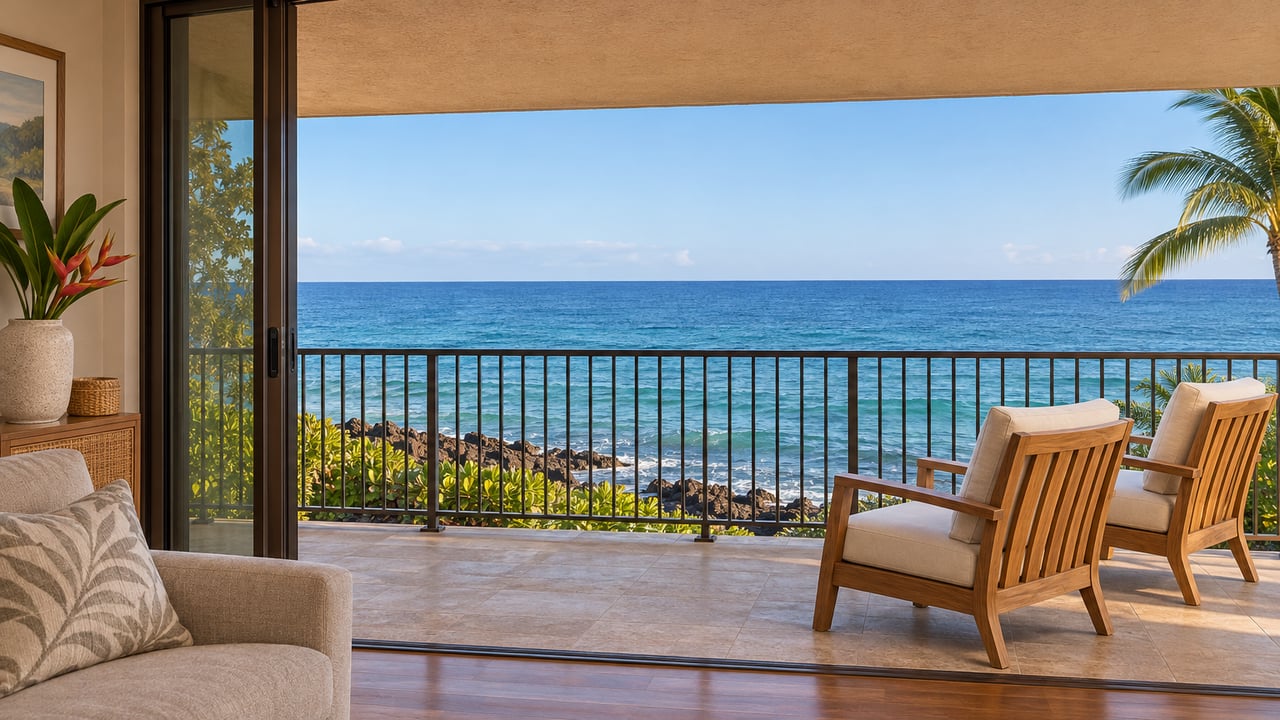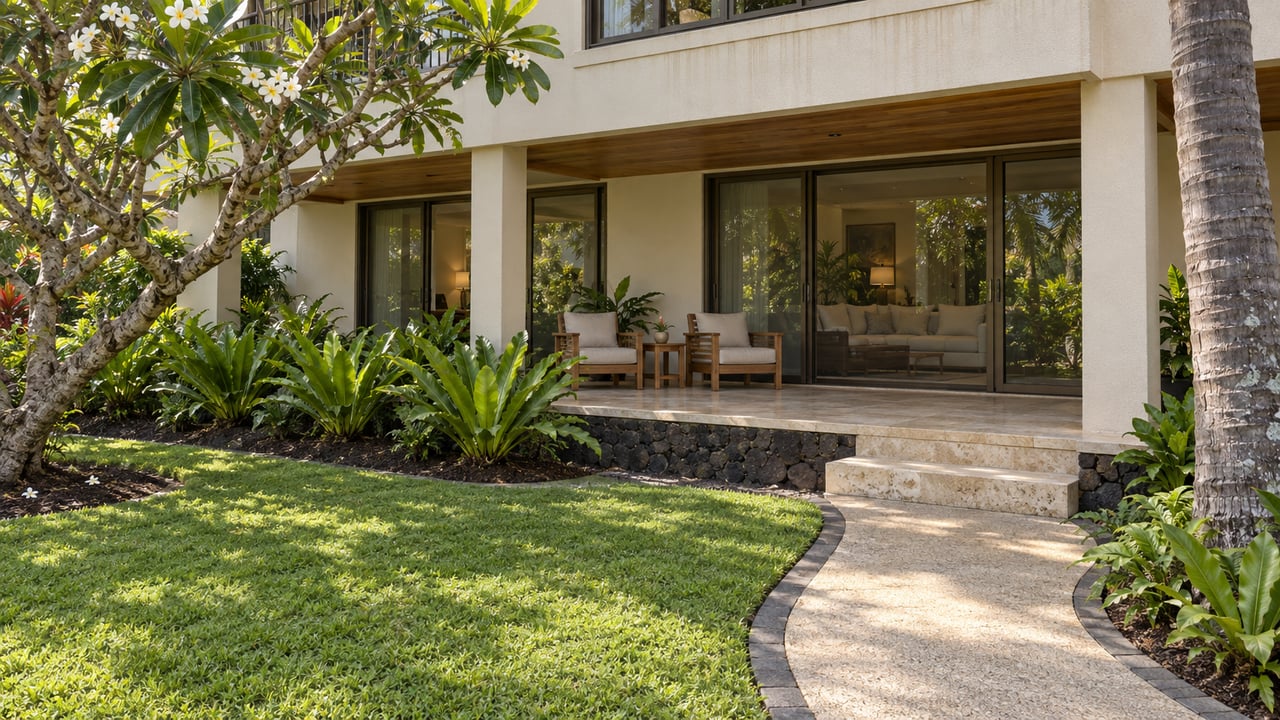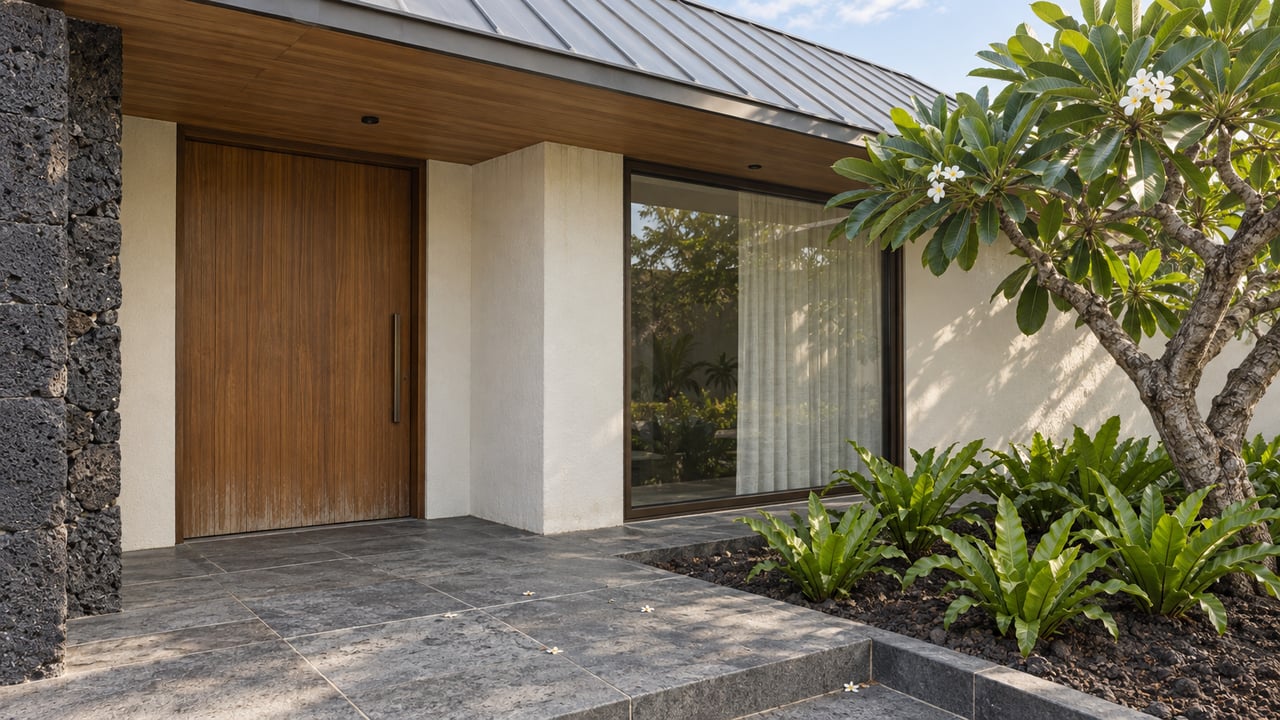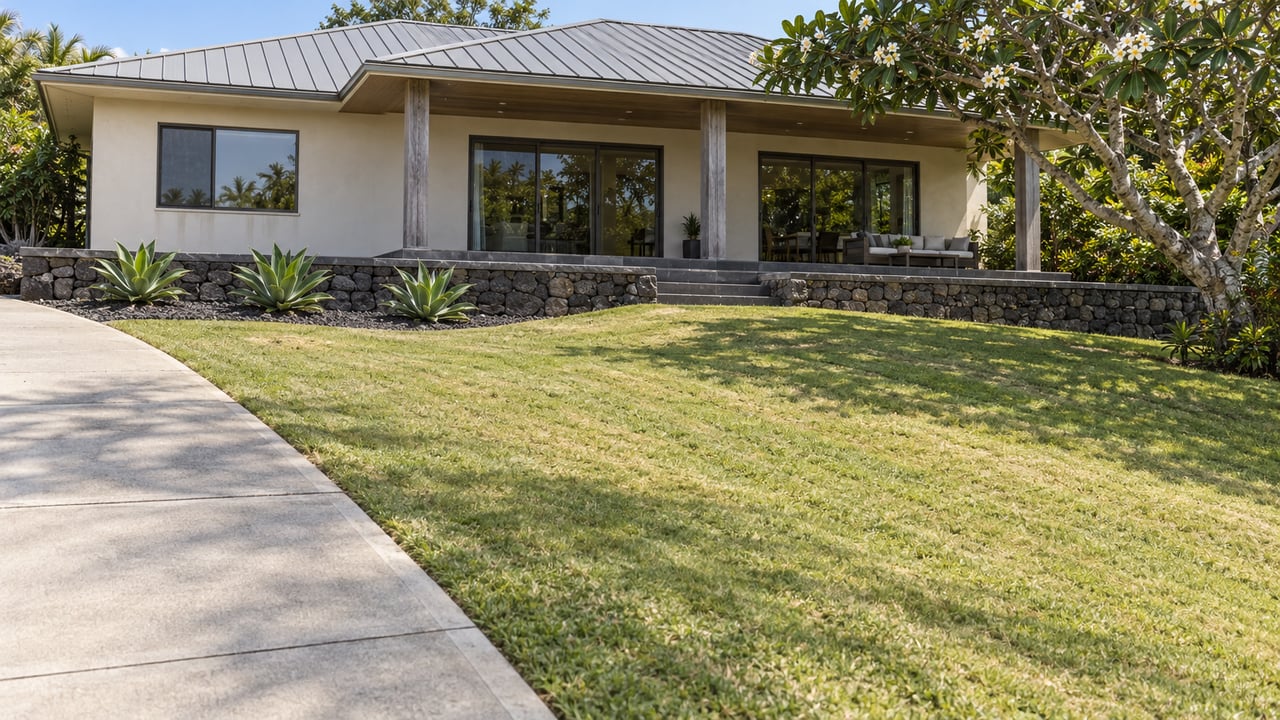
Maui Meadows has big lots and space between houses.
On July 8, 2026, Maui County's new accessory dwelling ordinance took effect, allowing up to two accessory dwellings on qualifying residentially zoned lots in addition to the main house. The county's own announcement includes the catch. Every accessory dwelling still has to meet "water availability, wastewater capacity and emergency access requirements," and approval "remains dependent on adequate infrastructure."
Water and wastewater infrastructure are part of the discussion in Maui Meadows.
What the July rules actually loosened
The County of Maui's July 16, 2026 announcement describes Ordinance 6013 as the county's response to Act 39, a state law requiring counties to allow up to two accessory dwellings, or a reasonable equivalent, on qualifying lots. Before this, the number of ʻohana units you could build depended on lot size and island. Three related changes landed in the same year, and the county's ADU guide, published July 15, 2026, groups them together:
- Number of units. Ordinance 6013 allows up to two accessory dwellings on qualifying residentially zoned lots, effective July 8.
- Size caps. Ordinance 5966, effective March 23, 2026, caps an ADU at 960 square feet on lots of 43,560 to 87,119 square feet and 1,200 square feet on lots of 87,120 square feet or more.
- Parking. Ordinance 5983 ties ADU parking to bedrooms. That means one stall for a studio or one-bedroom and two for a two- or three-bedroom unit, and tandem spaces are allowed.
- Use. ADUs are for long-term housing only. They cannot be rented for less than 180 days or used as vacation rentals, short-term rentals or bed-and-breakfasts.
Zoning in Maui Meadows
The county says accessory dwellings are allowed mainly in Residential and Rural zoning districts and typically excluded in Agricultural ones. That makes zoning the first real fork, and Maui Meadows doesn't settle it with a single label. A July 26, 2007 Maui County Council agenda refers to "rural zoned areas known as 'Maui Meadows'" and lists a bill to map them as RU-0.5, the county's half-acre rural designation. That points toward Rural zoning for much of the subdivision, but it's an old record of a proposal. Every lot, especially near the edges, needs its own zoning check.
Ordinance 5839 allows two farm dwellings per agricultural lot on Maui, one capped at 1,500 square feet of developable area. The county's Farm Dwelling and Agricultural Structures Declaration ties farm dwellings to agricultural use.
Private covenants come next. The county guide notes that CC&Rs recorded before May 28, 2024 may still restrict accessory dwellings, separately from zoning.
Water service and capacity
On January 1, 2026, the county's Department of Water Supply changed how it measures demand. Under Ordinance 5759, DWS stopped counting plumbing fixtures and started estimating daily use from bedrooms and bathrooms. The unit is the Equivalent Single Dwelling, or ESD, set at 300 gallons per day and based on a four-bedroom, two-bath home. Each service also gets an extra 0.5 ESD for outdoor use. Single-family meters now carry standard capacities:
| Meter size | Capacity under the 2026 method |
|---|---|
| 5/8-inch | up to 2.5 ESDs |
| 3/4-inch | up to 3.5 ESDs |
| 1-inch | up to 6 ESDs |
DWS also says that under the new method, "Additional fixtures or ESDs will not be available for purchase." The same announcement says the new method "does not increase the total water supply on Maui."
Maui Now reported on September 19, 2026 that an Aug. 14 DWS letter put the Central Maui system at 98% to 100% of its maximum reliable capacity, with "no additional source capacity" for new or expanded service. South Maui gets about 8.3 million gallons a day from the ʻĪao aquifer through that system, and DWS told the outlet it uses its capacity analysis "when evaluating water service requests."
That is a capacity finding, not a published moratorium. A 1 to 2 million gallon-per-day desalination plant for South Maui was still being evaluated in DWS's September 2026 monthly report. DWS held community meetings on possible sites in August.
Cesspools and wastewater
Many Maui Meadows homes rely on cesspools. The EPA classifies a cesspool serving more than one dwelling as a large-capacity cesspool. Those were banned, and existing ones had to close by April 5, 2005.
The Hawaii Department of Health also reports that a 2025 bill to move higher-risk cesspool conversions up to 2035 did not pass.
Three efforts that could change the math
What a Maui Meadows lot can hold depends partly on infrastructure decisions the neighborhood is pushing for right now. Each one is at a different stage.
- A neighborhood sewer. The Maui Meadows Neighborhood Association has partnered with Wastewater Alternatives and Innovations, Orenco and the Kihei Community Association on a liquid-only sewer line. Orenco estimates installation at around $25 million. The association is circulating a petition to form a Community Facilities District, which needs signatures from at least 25% of Maui Meadows homeowners before the County Council would hold a public hearing.
- The South Maui Community Plan. According to Maui Now's September coverage, the draft plan under council review lists converting cesspools in Māʻalaea and Maui Meadows to regional wastewater treatment by 2030 as a high priority. The cost is marked "TBD."
- The aquifer under the neighborhood. The Kihei Community Association, the Maui Meadows Neighborhood Association and Wailea808 asked the state Commission on Water Resource Management to designate the Kamaʻole Aquifer System Area as a ground water management area. Their petition argues that current and planned withdrawals exceed 90% of the aquifer's 11 million gallon-per-day sustainable yield. It also says water levels sit only 5 to 6 feet above sea level and are falling about 0.07 feet a year. The commission's Kamaʻole page records receiving the petition on Feb. 24, 2026 and currently shows no meetings or hearings pending.
None of these adds capacity yet. The petition itself notes that the commission allocates water through water use permits only in designated management areas.
Records for a Maui Meadows lot
The county recommends checking water availability with DWS before planning an ADU. Records and details relevant to a Maui Meadows lot include:
- The parcel's current county zoning, confirmed with the Planning Department
- Any recorded CC&Rs and when they were recorded
- The existing water meter size and the bedroom and bathroom count behind it
- The wastewater system type, plus any DOH conversion records
- Any existing ʻohana's permit history and how it's connected to water and wastewater
Everything above is general information about county and state rules. It isn't legal, engineering or financial advice, so please confirm your specific parcel with the County Planning Department, DWS, DOH and the right licensed professionals.
If you're weighing a Maui Meadows lot because of what it could become, I'll help you collect the zoning, meter and wastewater details. Reach out to Steve Landin to get started.