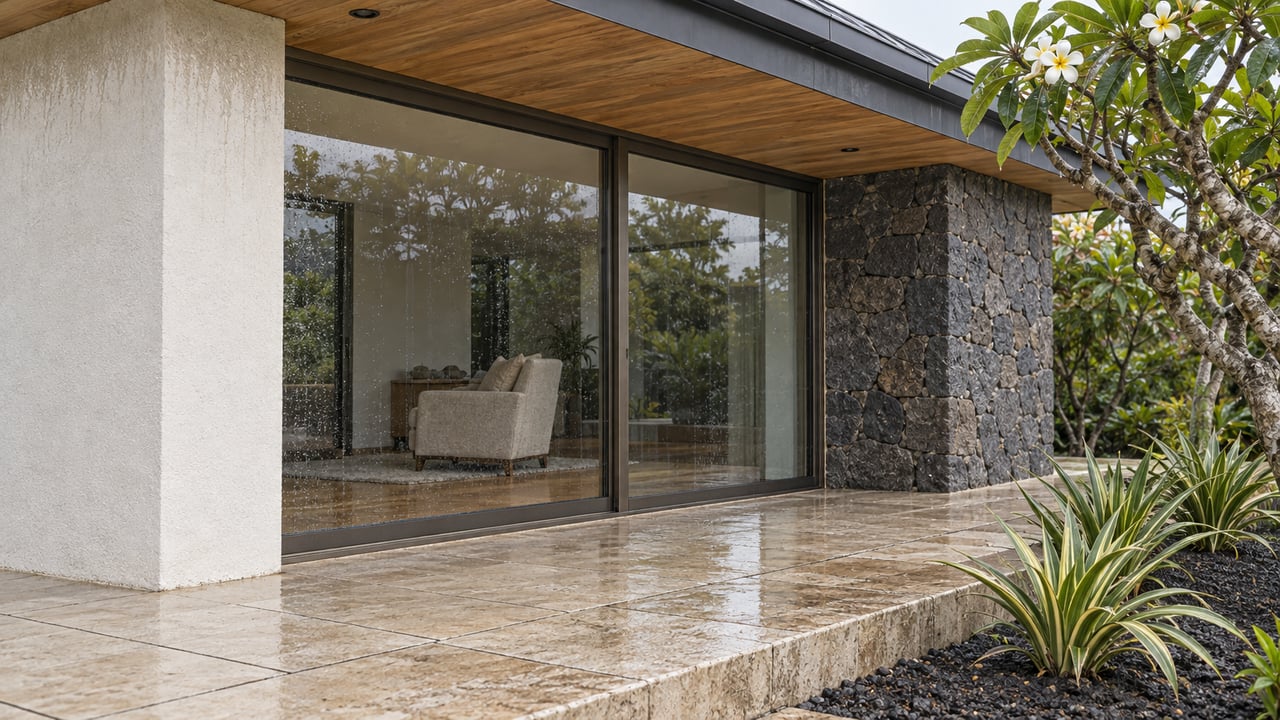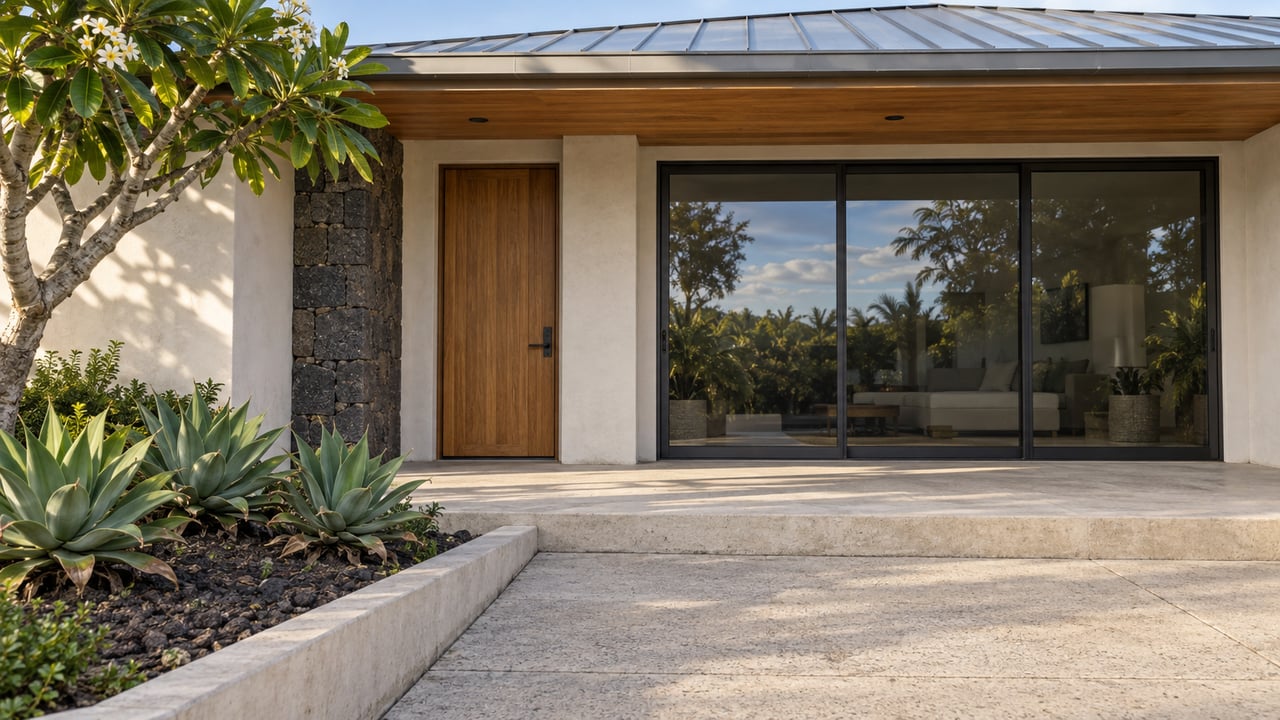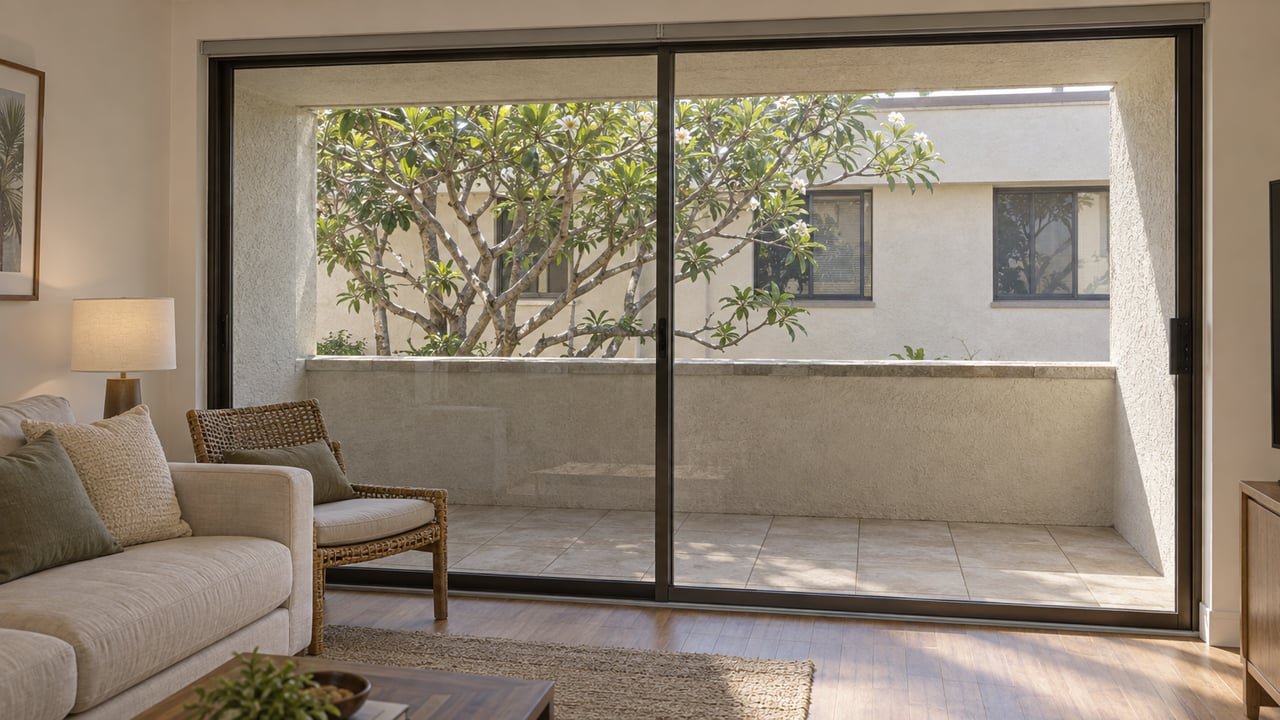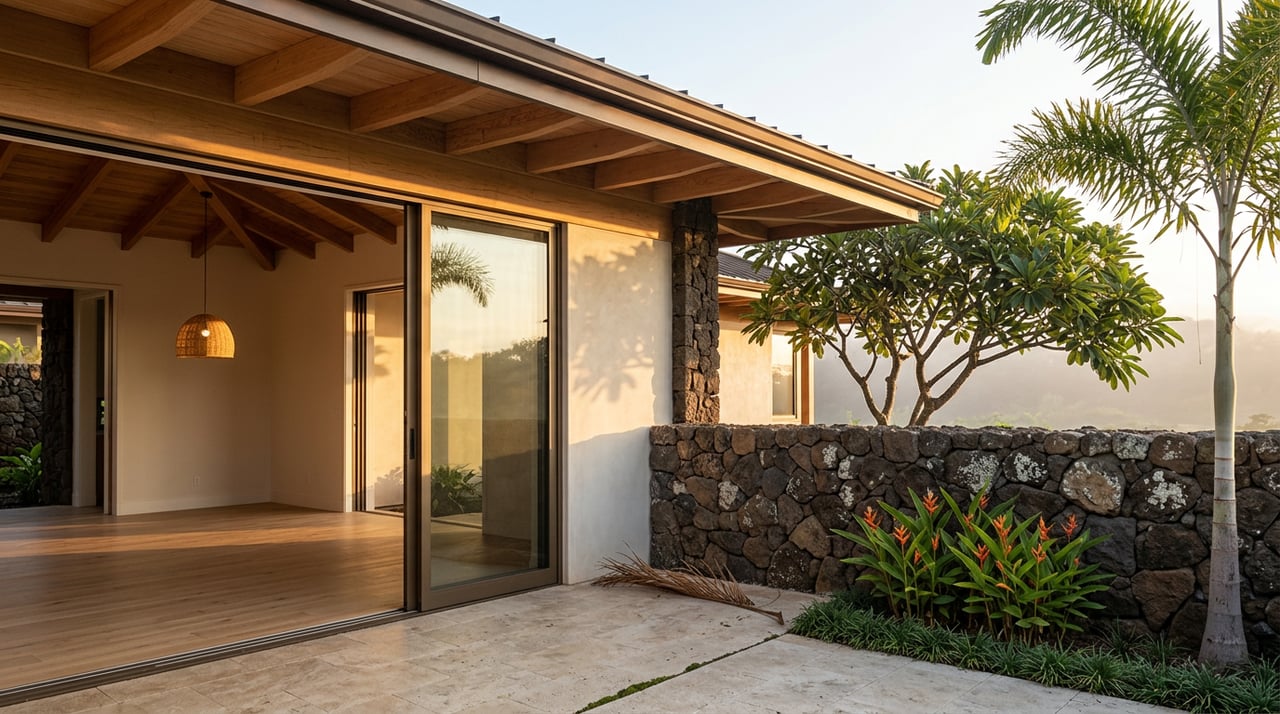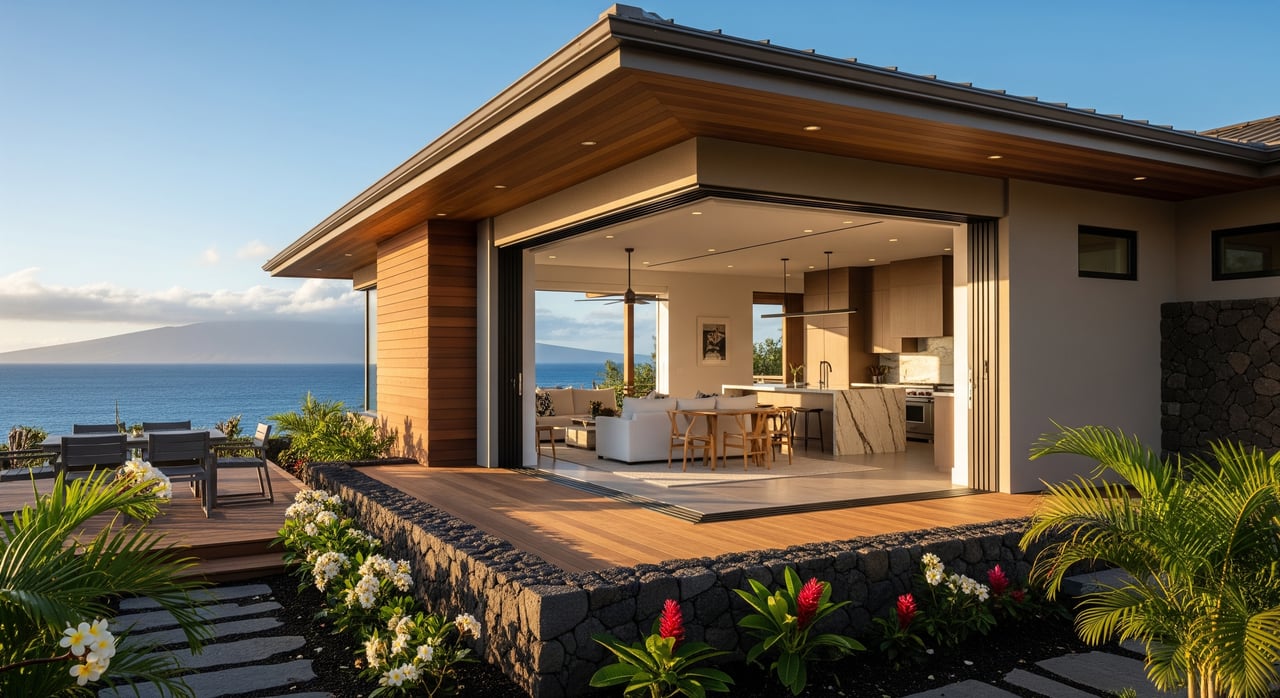
Eyeing a new Wailea townhome with ocean breezes and resort amenities, but not sure how to judge if it is the right move? You are not alone. In Maui’s luxury market, it can be hard to compare glossy brochures, HOA fine print, and builder promises from afar. This guide gives you a clear process to evaluate new construction townhomes in the Wailea area so you can buy with confidence, whether you plan to live here, visit part time, or rent when you are away. Let’s dive in.
Why Wailea new townhomes are different
Wailea sits on Maui’s southwest coast and is known for luxury resort living, golf, beaches, and high-end amenities. New townhome projects here often emphasize resort-style features, concierge access, and upscale finishes. You will typically see a premium for location, design, and amenities compared with inland or non-resort properties.
Demand often comes from off-island buyers, second-home owners, and investors where rentals are allowed. That mix shapes pricing, HOA services, and timelines. Plan for a careful review of rental rules, HOA budgets, construction quality, and insurance costs to confirm the value fits your goals.
New build vs resale: quick comparison
| Topic | New construction townhomes | Resale townhomes |
|---|---|---|
| Price per square foot | Often higher for new finishes, amenities, and warranties | Often lower, with potential room to negotiate |
| Time to occupancy | May require months to years and can face delays | Immediate or near-term occupancy |
| HOA fees | Often higher in resort communities with staffing and amenities | Varies, sometimes lower in mature communities |
| Maintenance | Lower early on, supported by builder warranties | Condition varies, known history helps plan costs |
| Rental potential | Must confirm county and HOA rules before assuming income | Established income history may aid underwriting |
| Financing | Project approval and warrantability can affect loan terms | Broader lender acceptance in established projects |
Vet the builder and developer
A strong builder reduces risk and stress. Ask for these specifics before you commit:
- Track record and local experience. Request a project resume with completed developments in Hawaii, buyer references, on-time delivery history, and photos.
- Financial stability. Confirm evidence of project financing, the construction lender, and escrow handling for buyer deposits.
- Licenses and compliance. Verify contractor licensing and corporate registration in Hawaii, and check for open complaints with the state.
- Warranty performance. Ask for the standard warranty document and examples of past claims and timelines for resolution.
- Subcontractors and labor. Clarify who will build key elements and whether local trades are secured.
What to request in writing:
- Licenses and proof of insurance
- Sample purchase contract and warranty
- Construction schedule and milestone calendar
- Evidence of project financing
Understand warranties and quality
Most new-home warranties follow a version of 1-2-10 coverage. Expect around 1 year for workmanship and materials, 2 years for systems like electrical, plumbing, and HVAC, and 10 years for major structural defects. Builders can vary, so confirm exact terms and exclusions.
- Check transferability. If you may sell within the warranty period, make sure coverage transfers to the next owner.
- Know the claim process. Ask how you file, who services the claim, and how long repairs typically take.
- Consider third-party inspections. Even in new construction, use independent inspectors at key milestones and prior to closing.
- Plan your punch list. Clarify timelines for final walkthroughs, completion items, and post-occupancy corrections.
HOA health, rules, and fees
The HOA can make or break your ownership experience. Review these documents before you sign a contract:
- CC&Rs, Bylaws, and Rules and Regulations
- Current budget, 12 to 24 months of financials, and the latest reserve study
- Minutes from recent meetings and the capital improvement plan
- Insurance declarations for the master policy and owner responsibilities
- Management contract if a professional manager is in place
Key questions to ask:
- What do monthly fees cover and how are reserves funded?
- Are there planned special assessments or large projects on the horizon?
- How are exterior, roofing, and infrastructure repairs handled?
- What are the rental rules, minimum stays, and any registration or tax requirements?
- How are parking, storage, and guest policies managed?
Important note on rentals: In Maui County, short-term rental rules can be limited by county ordinances and by HOA rules. Confirm both county regulations and the project’s CC&Rs before assuming any vacation-rental income.
Financing, deposits, and resale outlook
Financing new projects can look different from conventional resale condos.
- Lender acceptance and warrantability. Ask lenders early whether they finance the specific project and what terms apply. Some loan programs limit projects with high investor ownership, unfinished common areas, or litigation.
- Deposit escrow and protections. Confirm where deposits are held, when they are refundable, and what happens if the builder delays or fails to complete.
- Value comparison. Compare price per square foot, HOA fees, expected maintenance, and potential rental performance with similar resale townhomes in Wailea. New builds often cost more upfront but may carry lower early maintenance and warranty coverage.
- Taxes. If you plan to rent short term where allowed, factor in state and county tax registrations and filings, as well as Maui County property tax classifications for second homes or investment use.
Coastal risks, insurance, and maintenance
Wailea’s coastal location is part of its appeal, yet it adds due diligence items:
- Hazards and siting. Review FEMA flood zones, tsunami evacuation mapping, and coastal erosion or sea level rise considerations. Coastal siting can affect insurance and long-term maintenance.
- Coverage and premiums. Ask early for quotes on HO-6 coverage for interiors, plus flood and windstorm where applicable. Confirm what the HOA’s master policy covers and where you need additional protection for fixtures and finishes.
- Operating costs. Expect HOA fees to reflect resort-style landscaping, pools, security, and property management. Verify utilities and any separate charges.
Your due-diligence timeline
Use this high-level roadmap to stay organized.
Pre-contract, weeks 0 to 4
- Get pre-approval from a lender experienced with Maui new construction
- Request builder and HOA documents, warranty, and deposit terms
- Compare new build vs resale values and operating costs
- Consult a real estate attorney for contract and CC&R review
Contract to early construction, months 1 to 6
- Confirm permit status and projected schedule
- Lock financing structure and escrow milestones
- Identify independent inspectors and set tentative inspection windows
Construction phase, months 6 to 24+
- Schedule independent inspections at foundation, framing or pre-drywall, and final
- Track change orders and schedule updates in writing
- Begin insurance planning for move-in
Pre-closing and turnover, final 1 to 3 months
- Complete final walkthrough and punch list
- Review the final HOA budget and meet management
- Confirm warranty transfer documents and owner manuals
First year after closing
- Resolve punch-list items under warranty
- Monitor HOA reserve funding and governance transition
- If renting, complete registrations and tax setup as required
Red flags to avoid
- Limited or outdated HOA financials or the absence of a recent reserve study
- Builder unwilling to provide licenses, insurance, references, or a warranty sample
- Vague deposit language or nonrefundable schedules without clear milestones
- CC&Rs with restrictive owner rights or unclear rental language
- Long developer control periods with no timeline for transition to owners
- Evidence of litigation, liens, or permit noncompliance in public records
Who to call and what to check
As you evaluate a Wailea new-build townhome, consider engaging these local resources and professionals:
- Maui County Planning and Permitting for permits, zoning, and short-term rental rules
- Maui County Real Property Tax Office for tax classifications and assessments
- Maui Board of Realtors or local MLS data providers for market comparables
- Hawaii Department of Commerce and Consumer Affairs to verify contractor licenses and review any complaints
- FEMA and state sea level rise resources for hazard mapping
- A local real estate attorney experienced in Hawaii condominium law
- Local mortgage lenders familiar with Maui new projects
- Local insurance brokers with wind and flood expertise
Next steps
Buying new construction in Wailea can be an incredible experience when you take a structured approach. Focus on builder quality, warranty clarity, HOA strength, financing paths, and coastal risks. Compare the numbers to resale, plan a realistic timeline, and surround yourself with trusted local pros.
If you want a clear, step-by-step plan tailored to your goals, reach out to Steve Landin. You will get attentive, concierge-level guidance, on-island coordination for inspections and vendors, and local insight that helps you move forward with confidence.
FAQs
What should I ask a Wailea builder before signing?
- Request a project resume, Hawaii licenses, insurance, financing confirmation, a sample contract, the full warranty, and references from recent buyers.
Are short-term rentals allowed in Wailea new townhome projects?
- It depends on both Maui County rules and the project’s CC&Rs, so verify county regulations and HOA rental policies before modeling any rental income.
How do HOA fees work in resort-style Wailea communities?
- Fees often fund landscaping, amenities, staffing, management, and insurance; review the budget, reserve study, and recent minutes to assess sustainability.
What warranties do Maui new construction townhomes usually include?
- Many follow a 1-2-10 structure for workmanship, systems, and structural coverage, but confirm exact terms, exclusions, and whether the warranty transfers.
How do coastal hazards affect insurance and maintenance in Wailea?
- Coastal siting can increase wind and flood exposure, which influences premiums and coverage; plan for proactive exterior maintenance and confirm master policy gaps.
Is financing harder for brand-new condo projects in Wailea?
- It can be if a project is not yet warrantable or fully stabilized; speak with lenders early to confirm approval status, loan options, and any extra requirements.